

Hey there! As an aluminium caps supplier, I often get asked about what materials are used to make these nifty little things. So, I thought I'd take a deep dive into the topic and share everything I know with you.
First off, let's talk about the star of the show: aluminium. Aluminium is the primary material used in making aluminium caps, and for good reason. It's lightweight, corrosion-resistant, and has excellent malleability, which means it can be easily shaped into various cap designs. Aluminium is also recyclable, making it an environmentally friendly choice. Most of the aluminium used in cap manufacturing comes from high-quality aluminium alloys. These alloys are a mixture of aluminium with other elements like copper, magnesium, silicon, and zinc. The addition of these elements enhances the strength, durability, and other properties of the aluminium. For example, adding copper can increase the strength of the alloy, while magnesium can improve its corrosion resistance.
Another important material used in aluminium caps is the liner. The liner is the inner part of the cap that comes into contact with the contents of the bottle. It serves several purposes, such as providing a tight seal to prevent leakage, protecting the contents from oxidation and contamination, and sometimes even enhancing the flavor of the product. There are different types of liners available, and the choice depends on the specific application of the cap.
One common type of liner material is polyethylene (PE). PE is a thermoplastic polymer that is known for its flexibility, chemical resistance, and low cost. It's often used in caps for beverages, food products, and other consumer goods. PE liners can be either solid or foam, depending on the requirements of the product. Solid PE liners provide a more rigid seal, while foam PE liners are more compressible and can conform to irregular bottle openings.
Another popular liner material is polypropylene (PP). PP is similar to PE in many ways, but it has a higher melting point and better heat resistance. This makes it suitable for caps that will be used in products that require hot filling or pasteurization. PP liners are also commonly used in caps for pharmaceutical products, as they offer good chemical resistance and can protect the contents from moisture and oxygen.
In some cases, aluminium caps may also use a liner made of cork. Cork is a natural material that has been used for centuries in bottle closures. It has excellent sealing properties, is breathable, and can add a touch of elegance to the packaging. Cork liners are often used in caps for high-end wines, spirits, and other premium products. However, cork can be more expensive and may require special handling and storage to prevent mold and other issues.
Now, let's talk about the printing and decoration of aluminium caps. Many caps are printed with logos, labels, or other graphics to enhance their visual appeal and brand recognition. The printing process typically involves using inks that are specifically formulated for use on aluminium surfaces. These inks need to be durable, resistant to scratching and fading, and able to adhere well to the aluminium.
One common printing method is offset printing. Offset printing is a high-quality printing process that can produce sharp, detailed images and colors. It involves transferring the ink from a plate to a rubber blanket and then onto the cap. Offset printing is suitable for large-scale production runs and can be used to print complex designs and multiple colors.
Another printing method is screen printing. Screen printing is a more versatile printing process that can be used on a variety of surfaces, including aluminium. It involves forcing ink through a mesh screen onto the cap. Screen printing is often used for printing simple designs, logos, and text. It's a cost-effective option for small to medium-sized production runs.
In addition to printing, some aluminium caps may also be decorated with foil stamping. Foil stamping is a process that involves applying a thin layer of metallic foil to the cap using heat and pressure. The foil can be in different colors, such as gold, silver, or copper, and can add a luxurious and eye-catching look to the cap. You can check out more about Aluminium Screw Caps Foil Stamping on our website.
Now, let's take a look at some specific types of aluminium caps and the materials used in them.
Bottle Screw Cap is a very common type of aluminium cap. It has a threaded design that allows it to be easily screwed onto and off the bottle. These caps are often used for beverages, such as soft drinks, juices, and water. The main material is, of course, aluminium alloy, and they usually come with a PE or PP liner to ensure a tight seal.
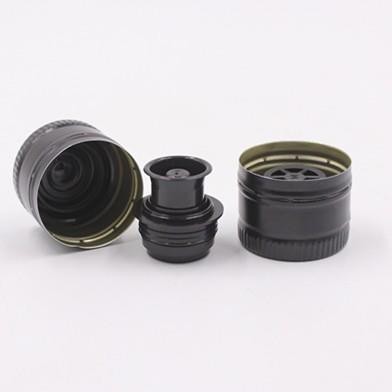
31.5x24mm Olive Oil Aluminum Plastic Caps are designed specifically for olive oil bottles. These caps are a combination of aluminium and plastic. The aluminium part provides the strength and durability, while the plastic liner helps to protect the olive oil from oxidation and maintain its quality. The liner is usually made of a material that is resistant to the fatty acids in olive oil, such as PE or PP.
As an aluminium caps supplier, we understand the importance of using high-quality materials to ensure the performance and reliability of our caps. We source our materials from trusted suppliers and conduct strict quality control checks at every stage of the manufacturing process. Whether you're looking for caps for your beverage, food, pharmaceutical, or other products, we have the expertise and resources to provide you with the right solution.
If you're interested in learning more about our aluminium caps or would like to discuss your specific requirements, please don't hesitate to reach out. We're always happy to have a chat and see how we can help you with your packaging needs. We can work with you to choose the right materials, design the perfect cap for your product, and ensure that you get the best quality at a competitive price.
So, if you're in the market for aluminium caps, give us a shout. Let's start a conversation and see how we can make your product stand out on the shelves.
References
- "Aluminium Alloys: Properties and Applications" - A technical guide on aluminium alloys and their uses.
- "Plastic Liners for Bottle Caps: A Comprehensive Overview" - A study on different types of plastic liners used in bottle caps.
- "Printing Technologies for Packaging Materials" - An article about various printing methods used in packaging, including those for aluminium caps.


