

Wine lovers and producers have long debated the best way to seal a wine bottle. For years, natural cork was the go - to choice, but in recent times, wine bottle screw caps and synthetic corks have emerged as popular alternatives. As a wine bottle screw caps supplier, I've seen firsthand the pros and cons of both options, and I'm here to break it down for you.
The Rise of Alternatives to Natural Cork
Natural cork has a long - standing tradition in the wine industry. It's porous, allowing a tiny amount of oxygen to interact with the wine over time, which can be beneficial for aging. However, it comes with some significant drawbacks. One of the most well - known issues is cork taint, caused by a chemical compound called TCA. This can make the wine smell and taste like wet cardboard, ruining the drinking experience.
Synthetic corks were introduced as a solution to cork taint. They're made from materials like plastic polymers and are designed to mimic the look and feel of natural cork. On the other hand, wine bottle screw caps, which were initially seen as a cheap option for mass - market wines, have gained credibility in recent years, even being used for high - end wines.
Advantages of Wine Bottle Screw Caps
1. Consistency
One of the biggest advantages of screw caps is their consistency. When you use a screw cap, you can be pretty sure that the wine inside the bottle will taste the way it's supposed to. There's no risk of cork taint, and the seal is airtight, which means the wine won't be exposed to unwanted oxygen. This is especially important for wines that are meant to be consumed young, as they don't need the slow oxidation that natural cork allows.
2. Ease of Use
Let's face it, opening a bottle of wine with a screw cap is a breeze. You don't need a corkscrew, and there's no risk of breaking the cork and having bits fall into the wine. This makes it a great option for casual wine drinkers and outdoor events.
3. Cost - Effectiveness
Screw caps are generally more cost - effective than both natural and synthetic corks. For wine producers, this can mean significant savings, especially when bottling large volumes of wine. And as a wine bottle screw caps supplier, I can offer competitive prices for bulk orders.
4. Environmental Impact
Screw caps are often more environmentally friendly. They're usually made from aluminum, which is highly recyclable. In contrast, synthetic corks are made from plastics, which can take a long time to break down in the environment.
Advantages of Synthetic Corks
1. Tradition and Aesthetics
Synthetic corks look and feel like natural cork, which can be appealing to consumers who are used to the traditional wine - opening experience. They give the impression of a high - quality wine, even though they're a more affordable alternative to natural cork.
2. Oxygen Permeability
Some synthetic corks are designed to allow a small amount of oxygen to enter the bottle, similar to natural cork. This can be beneficial for wines that need some aging, as it allows the flavors to develop over time.
3. Compatibility with Existing Equipment
Wine producers who already have equipment for corking bottles may find it easier to switch to synthetic corks rather than investing in new machinery for screw caps.
Disadvantages of Wine Bottle Screw Caps
1. Perceived Quality
Despite the growing acceptance of screw caps, some consumers still associate them with cheap, low - quality wines. This perception can be a challenge for wine producers, especially those trying to position their wines in the premium market.
2. Aging Potential
While screw caps are great for wines meant to be drunk young, they may not be the best option for wines that need long - term aging. The airtight seal can prevent the slow oxidation that some wines require to develop complex flavors.
Disadvantages of Synthetic Corks
1. Inconsistent Oxygen Permeability
Not all synthetic corks are created equal. Some may allow too much or too little oxygen into the bottle, which can affect the wine's flavor and quality. This inconsistency can be a problem for wine producers who want to ensure a consistent product.
2. Potential for Leakage
Synthetic corks may not provide as tight a seal as screw caps, which can lead to leakage over time. This can be particularly problematic during transportation and storage.
Our Product Offerings
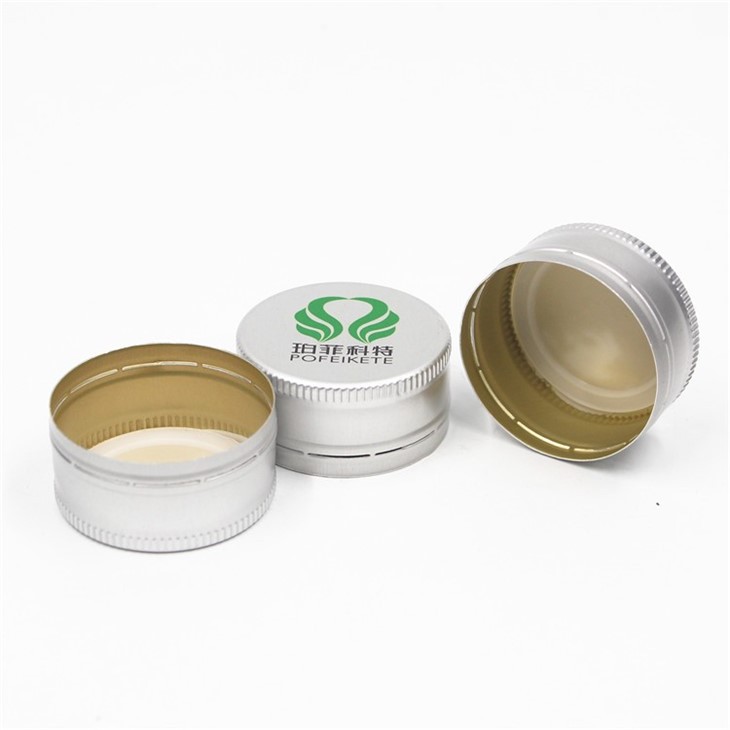
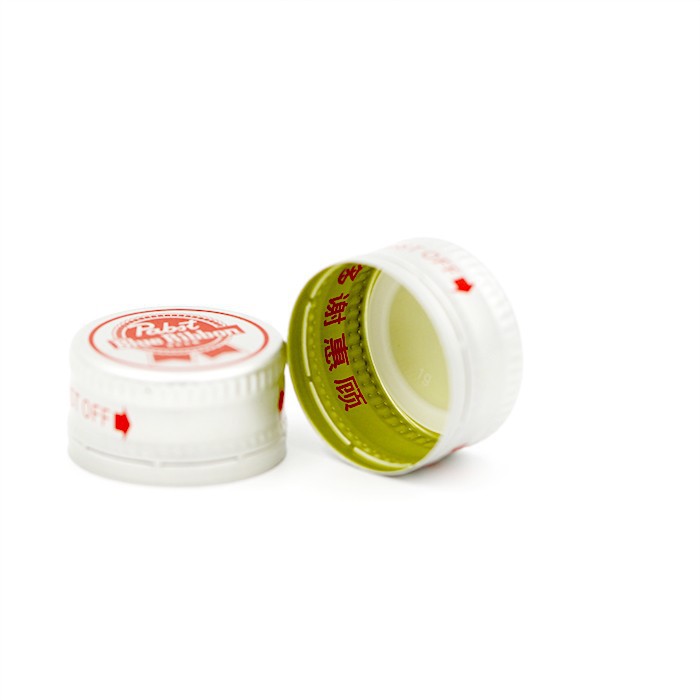
As a wine bottle screw caps supplier, I offer a range of high - quality screw caps. We also have related products like Pull Ring Easy Open Aluminum Crown Caps, 28mm 38mm ROPP Cap, and 38mm Aluminum Cap. These caps are designed to provide a reliable and stylish solution for wine bottling.
Conclusion
In the debate between wine bottle screw caps and synthetic corks, there's no one - size - fits - all answer. It depends on the type of wine, the target market, and the producer's preferences. However, as the wine industry continues to evolve, screw caps are becoming an increasingly popular choice due to their consistency, ease of use, and cost - effectiveness.
If you're a wine producer looking for a reliable wine bottle screw caps supplier, or if you're interested in our other cap products, I'd love to hear from you. We can discuss your specific needs and find the best solution for your wine bottling requirements. Contact us to start a conversation about your procurement and let's work together to ensure your wines are perfectly sealed.
References
- Jackson, H. (2018). "The Future of Wine Closures." Wine Business Journal.
- Smith, R. (2019). "Comparing Wine Closure Options." Wine Enthusiast Magazine.


