

When it comes to wine storage, one age - old question still floats around: Can I store wine horizontally with a screw cap? In the wine industry, traditional corks have long been associated with wine storage. They are often thought of as integral to the process of wine maturation and storage, especially when stored horizontally. However, screw caps have been gaining significant ground in recent years, with many winemakers and consumers alike opting for their convenience, practicality, and consistency.
Traditional Wine Storage with Corks
For centuries, wine has been stored horizontally in cellars and wine racks. This practice dates back to when cork was the primary closure for wine bottles. Cork is a natural material harvested from the bark of cork oak trees. When a cork - sealed wine bottle is stored horizontally, the wine comes into contact with the cork. This keeps the cork moist, preventing it from drying out and shrinking. A dry cork can lead to air seeping into the bottle, which may oxidize the wine prematurely and spoil it. Oxidation is a chemical reaction where oxygen reacts with the components of wine, such as tannins and pigments. This can change the color, aroma, and taste of the wine, often leading to a flat and less - appealing beverage.
The Rise of Screw Caps
The advent of screw caps in the wine industry has been a game - changer. Screw caps were first introduced as a practical alternative for wines that were meant to be consumed young. They offer several advantages over corks. Firstly, screw caps provide a consistent and reliable seal. They are less prone to the problems associated with cork, such as cork taint, which is caused by a chemical compound called trichloroanisole (TCA). TCA can give wine a musty, moldy odor, completely ruining the drinking experience. Secondly, screw caps are easier to open and close, making them more user - friendly for consumers.
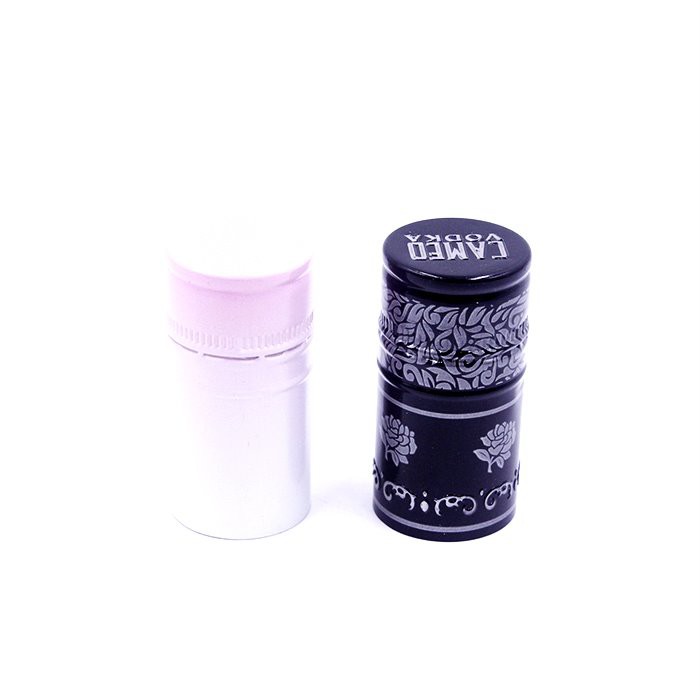
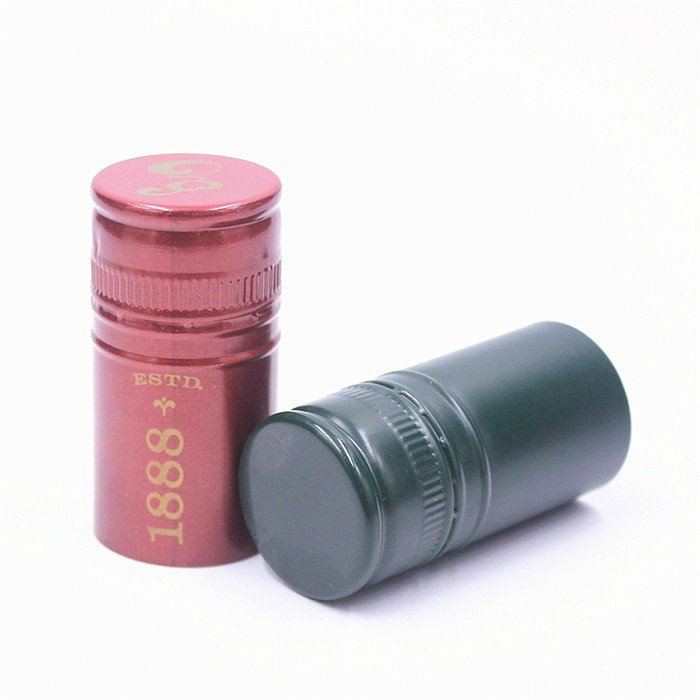
As a supplier of Wine Bottle Screw Caps, I have witnessed the growing shift towards the use of screw caps in the wine industry. Winemakers are increasingly recognizing the benefits of screw caps, not just for their young, fresh wines but also for more premium offerings. The perception that screw caps are only suitable for lower - quality wines is quickly fading, as more and more high - end wineries are starting to experiment with this type of closure.
Storing Wine Horizontally with Screw Caps
Now, back to the original question: Can you store wine horizontally with a screw cap? The answer is yes. Unlike corks, screw caps do not rely on contact with wine to maintain their integrity. A well - designed screw cap provides an airtight seal that prevents oxygen from entering the bottle, regardless of the bottle's orientation. Whether you store your screw - capped wine bottle vertically or horizontally, the wine inside will be protected from oxidation.
However, there are a few factors to consider. One of the main reasons for storing wine horizontally is to slow down the aging process. When wine is in contact with the cork (or in some cases, the air - wine interface), a very slow and controlled amount of oxygen enters the bottle. This minute amount of oxygen can help the wine to develop complex flavors and aromas over time. When using a screw cap, this controlled oxidation is largely eliminated because of the airtight seal. So, if you're storing a wine that you expect to improve with age and rely on a small amount of oxygen exposure, storing it horizontally may not have the same effect as with a cork - sealed bottle.
On the other hand, if you're storing a wine that is meant to be consumed relatively young, storing it horizontally with a screw cap can still be beneficial. Horizontal storage can help keep the sediment (if any) at the bottom of the bottle, making it easier to pour the wine without disturbing the sediment. Additionally, it is a common and aesthetically pleasing way to store wine, whether it's in a home cellar or a professional wine storage facility.
Other Considerations for Wine Storage
Regardless of the type of closure, there are other factors that are crucial for proper wine storage. Temperature is perhaps the most important factor. Wine should be stored at a consistent temperature, ideally between 45°F (7°C) and 65°F (18°C). Fluctuations in temperature can cause the wine to expand and contract, which may lead to the closure failing and air entering the bottle.
Humidity is another factor. While a high humidity level is important for cork - sealed bottles to prevent the cork from drying out, it is less critical for screw - capped wines. However, extreme humidity can still cause problems, such as corroding the screw cap or damaging the label. Aim for a humidity level between 50% and 70%.
Finally, light can also damage wine. Ultraviolet light can break down the chemical compounds in wine, leading to off - flavors and aromas. It is best to store wine in a dark place, away from direct sunlight or bright artificial light.
Our Range of Caps
As a supplier of high - quality screw caps, we offer a wide range of products to meet the diverse needs of the wine industry. In addition to our Wine Bottle Screw Caps, we also provide Whiskey Glass Bottles Aluminum ROPP Caps for the spirits industry. These caps are designed to provide a secure and tamper - evident seal for whiskey and other spirits.
We also have 30*60 mm Vodka Tequila Aluminum Caps that are specifically tailored to the requirements of vodka and tequila bottles. Our caps are made from high - quality aluminum, which offers excellent corrosion resistance and durability. They are available in various colors and styles to suit different branding needs.
Conclusion and Call to Action
In conclusion, storing wine horizontally with a screw cap is perfectly possible and can be a practical option for many wine enthusiasts and producers. Screw caps offer a reliable and convenient alternative to traditional corks, and with proper storage conditions, the wine can maintain its quality over time.
If you're in the wine, whiskey, or vodka and tequila industries, and you're looking for high - quality bottle caps, we invite you to contact us for a further discussion. Our team of experts is always ready to assist you in finding the right cap solutions for your products. Let's work together to ensure that your bottles are sealed with the best possible closure.
References
Jackson, R. S. (2008). Wine Science: Principles and Applications. Academic Press.
Robinson, J. (2006). The Oxford Companion to Wine. Oxford University Press.


