

Hey there! As a supplier of twist top caps, I often get asked about the maximum pressure these caps can withstand. It's a super important question, especially when you're dealing with products that need to be sealed tightly, like beverages, chemicals, or other liquid goods. So, let's dive right into it and explore what determines the pressure - handling capacity of twist top caps.
What Affects the Pressure Resistance of Twist Top Caps?
First off, the material of the cap plays a huge role. We've got different types, like plastic, aluminum, and even some caps that are a mix of materials. Plastic caps are usually lightweight and cost - effective. They can handle a decent amount of pressure, but it really depends on the type of plastic. For instance, high - density polyethylene (HDPE) is stronger and more rigid compared to low - density polyethylene (LDPE). HDPE caps can generally withstand higher internal pressures before they start to leak or fail.
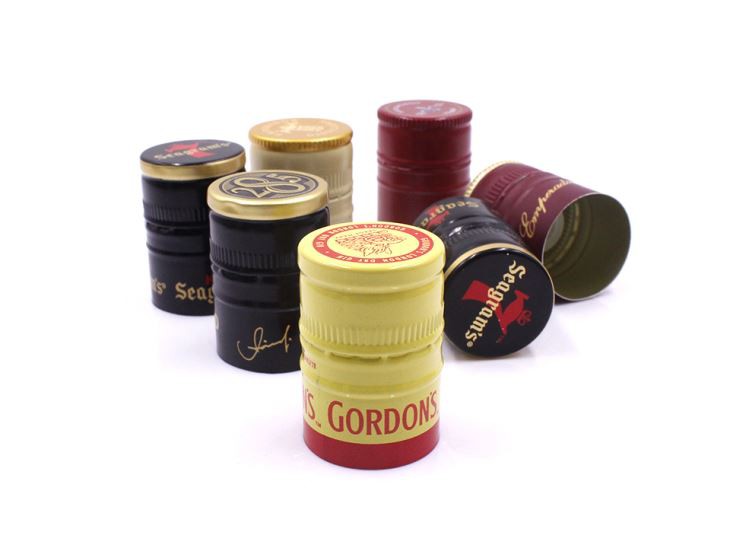
On the other hand, aluminum caps are known for their strength and durability. They're often used in applications where a higher level of pressure resistance is required, such as carbonated beverages. Aluminum has excellent mechanical properties, which allow it to maintain its shape and seal integrity under pressure. Take a look at our Aluminum Plastic Non Refillable ROPP Closure. This type of cap combines the best of both worlds - the strength of aluminum and the sealing properties of plastic. It's designed to handle the high pressures associated with carbonated drinks and also prevent refilling, which is great for product security.
Another factor is the design of the cap. The threading on the cap is crucial. A well - designed thread will ensure a tight fit between the cap and the bottle neck. If the threads are too loose, the cap won't be able to hold the pressure effectively, and there's a risk of leakage. Additionally, the shape and thickness of the cap wall matter. Caps with thicker walls are generally more resistant to pressure. For example, our 30x44 mm Whiskey Aluminum Bottle Cap is designed with a specific wall thickness to provide a secure seal and withstand the pressure changes that might occur during storage and transportation.
The sealing liner inside the cap is also a key component. It creates a barrier between the product and the outside environment, and it can greatly affect the pressure resistance. Some liners are made of foam, while others are made of rubber or plastic. Foam liners are compressible and can adapt to the shape of the bottle opening, providing a good seal. Rubber liners, on the other hand, are more elastic and can maintain a tight seal even under pressure. The choice of liner depends on the type of product and the pressure requirements.
Measuring the Maximum Pressure
So, how do we figure out the maximum pressure a twist top cap can withstand? Well, there are several testing methods. One common way is to use a pressure chamber. We place the capped bottle inside the chamber and gradually increase the internal pressure until the cap fails. The pressure at which the cap starts to leak or comes off is recorded as the maximum pressure it can handle.
However, it's important to note that real - world conditions can be different from laboratory tests. Factors like temperature, humidity, and the length of time the product is stored can all affect the pressure resistance of the cap. For example, high temperatures can cause the material of the cap to expand, which might reduce its sealing ability. Similarly, long - term storage can lead to wear and tear on the cap and liner, potentially decreasing the maximum pressure it can withstand.
Applications and Pressure Requirements
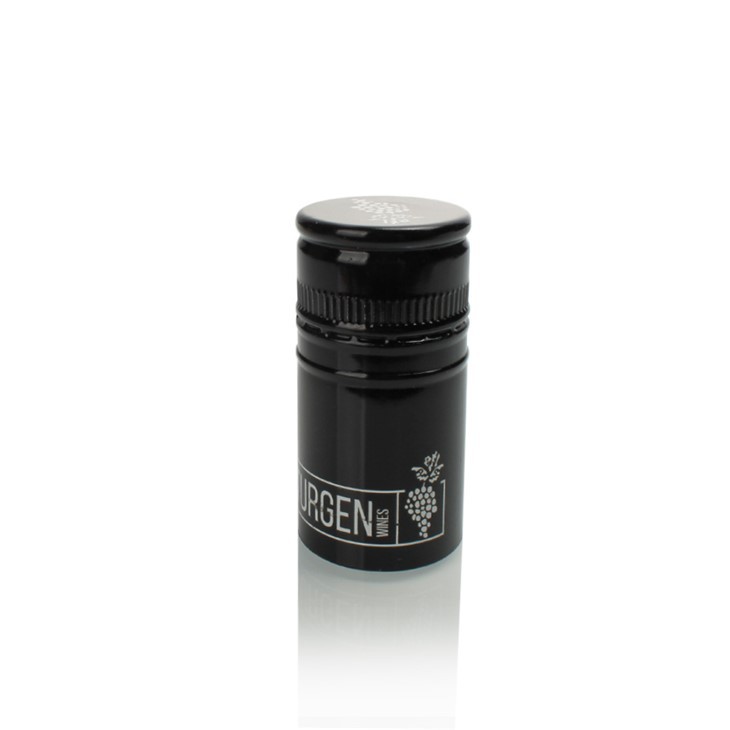
Different products have different pressure requirements. Carbonated beverages are a classic example. These drinks have a high level of carbon dioxide dissolved in them, which creates a significant amount of internal pressure. A typical carbonated soft drink can have an internal pressure of around 2 - 3 bar (200 - 300 kPa) at room temperature. Our twist top caps are designed to handle these pressures without any issues. The 3060mm Black Aluminum Bottle Caps are often used for carbonated drinks because of their excellent pressure - resistance properties.
Non - carbonated beverages, such as juices and water, usually have much lower pressure requirements. The main concern here is to prevent leakage and contamination. Our caps can provide a reliable seal for these products, ensuring that they stay fresh and safe to consume.
In the chemical industry, the pressure requirements can vary widely depending on the type of chemical and its storage conditions. Some chemicals are volatile and can create high pressures inside the container. In these cases, we need to use caps that are made of materials that are resistant to chemical corrosion and can handle the specific pressure levels.
Conclusion
In conclusion, the maximum pressure a twist top cap can withstand depends on several factors, including the material, design, and the application. As a supplier, we take all these factors into account when manufacturing our caps. We use high - quality materials, advanced manufacturing techniques, and rigorous testing procedures to ensure that our caps meet the highest standards of quality and performance.
If you're in the market for twist top caps and have specific pressure requirements for your products, don't hesitate to reach out. We're here to help you find the perfect cap solution for your needs. Whether you're a beverage manufacturer, a chemical company, or any other business that requires reliable sealing solutions, we've got you covered. Let's start a conversation and see how we can work together to meet your packaging needs.
References
- ASTM International. (20XX). Standard test methods for determining the performance of closures for plastic containers.
- Bottled Water Association. (20XX). Guidelines for packaging and sealing bottled water products.
- Chemical Manufacturers Association. (20XX). Best practices for chemical storage and packaging.


