

Hey there! As a supplier of bottle screw caps, I've seen all sorts of caps in my time. One question that often comes up is, "What's the difference between a screw - on and a twist - off bottle screw cap?" Well, let's dive right in and find out.
How They Work
First off, let's talk about how these two types of caps operate. A screw - on cap is exactly what it sounds like. You have to turn the cap in a specific direction, usually clockwise, to secure it onto the bottle. This type of cap has threads on both the inside of the cap and the outside of the bottle neck. As you turn the cap, these threads interlock, creating a tight seal. It's a bit like how you'd screw a light bulb into a socket.
On the other hand, a twist - off cap is designed to be easier to open. It also has threads, but it's engineered in a way that you can just give it a quick twist and it comes off. There's often a score line or a pre - weakened area on the cap. When you apply the right amount of force while twisting, the cap breaks along this line and pops off. It's super convenient, especially for people with less hand strength.
Materials Used
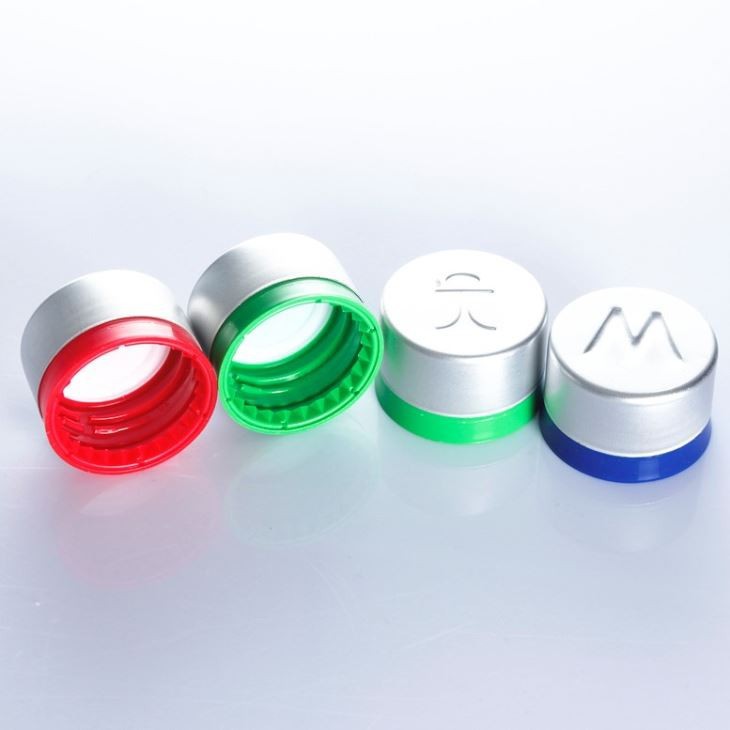
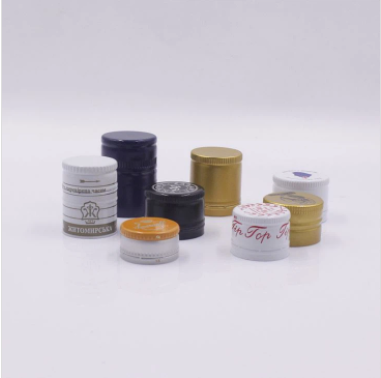
The materials used for these caps can vary, but there are some common trends. Screw - on caps are often made from a variety of materials. For example, in the beverage industry, you'll see a lot of plastic screw - on caps. They're lightweight, inexpensive to produce, and can be easily customized with different colors and logos. Metal screw - on caps, like aluminum, are also popular, especially for products like wine and some high - end beverages. Aluminum is durable, resistant to corrosion, and gives a more premium look.
Twist - off caps are also commonly made from plastic and metal. Plastic twist - off caps are great for everyday products like water bottles and soda. They're easy to manufacture and can be produced in large quantities. Metal twist - off caps, especially aluminum ones, are often used for products where a more secure and tamper - evident seal is required. For instance, you can check out our Mineral Spring Water 28mm Aluminum Cap. It's made of high - quality aluminum and provides a great twist - off experience.
Seal Quality
When it comes to seal quality, both types of caps have their strengths. Screw - on caps can provide an extremely tight seal if they're properly tightened. The interlocking threads create a barrier that can prevent air, moisture, and contaminants from getting into the bottle. This is crucial for products that need to stay fresh for a long time, like medicines or some types of food.
Twist - off caps also offer a good seal. The pre - weakened area that allows for easy opening doesn't compromise the seal when the cap is on the bottle. In fact, many twist - off caps are designed to be tamper - evident. Once the cap is opened, it can't be put back on in the same way, which gives consumers an assurance that the product hasn't been tampered with.
Applications
The applications of screw - on and twist - off caps differ based on the product they're used for. Screw - on caps are commonly used for products that require a very precise and tight seal. For example, in the pharmaceutical industry, screw - on caps are the norm. They ensure that the medication stays safe and effective by keeping out moisture and air. In the chemical industry, screw - on caps are also preferred because they can prevent leaks and spills.
Twist - off caps are more prevalent in the consumer goods market. You'll find them on almost every type of beverage bottle, from water to juice to beer. They're also used on some food products, like salad dressings and condiments. The ease of opening makes them a favorite among consumers. If you're in the beverage business, our 28mm Pet Preform Bottle Caps are a great option. They're twist - off caps that are perfect for PET bottles.
Cost Considerations
Cost is always an important factor for businesses. Screw - on caps can be more expensive to produce in some cases. The manufacturing process for creating the precise threads and ensuring a tight fit can be more complex. However, the cost can vary depending on the material used. Plastic screw - on caps are generally more affordable, while metal ones can be pricier.
Twist - off caps can also have a range of costs. Plastic twist - off caps are usually quite cost - effective, especially when produced in large volumes. Metal twist - off caps are more expensive, but they offer added benefits like tamper - evidence and a more premium look. For example, our Aluminum ROPP Caps For Wine Glass Bottles are a bit more of an investment, but they're perfect for high - end wine products.
Ease of Use for Consumers
From a consumer's perspective, the ease of use is a major factor. Screw - on caps can be a bit of a hassle for some people. If the cap is too tight, it can be difficult to open, especially for those with limited hand strength. On the other hand, if it's not tightened enough, it may not provide a proper seal.
Twist - off caps are a clear winner in terms of ease of use. They're designed to be opened with minimal effort. You don't have to struggle to get the cap off, which is great for everyone, from kids to the elderly.
Tamper - Evidence
Tamper - evidence is an important feature, especially for products that are consumed. Screw - on caps can provide some level of tamper - evidence. For example, some screw - on caps have a band that breaks when the cap is first opened. However, twist - off caps are generally more well - known for their tamper - evident design. The pre - weakened area that allows for easy opening also makes it obvious if the cap has been opened before.
Conclusion
So, to sum it up, the main differences between screw - on and twist - off bottle screw caps lie in their operation, materials, seal quality, applications, cost, ease of use, and tamper - evidence. Each type of cap has its own advantages, and the choice between them depends on the specific needs of your product.
If you're in the market for bottle screw caps, whether it's screw - on or twist - off, we're here to help. We offer a wide range of high - quality caps that can meet your requirements. Don't hesitate to reach out to us for more information or to start a procurement discussion.
References
- Packaging Machinery Manufacturers Institute. (2023). Guide to Bottle Caps.
- Beverage Industry Magazine. (2022). Trends in Bottle Cap Design.
- Plastics News. (2021). Materials for Bottle Caps.


