

In the world of wine, the choice of closure is a topic that has sparked much debate among vintners, wine enthusiasts, and consumers alike. Traditional corks have long held a prestigious place in the industry, but in recent decades, alternative options such as wine screw caps and silicone stoppers have gained significant traction. As a supplier of wine screw caps, I am well - positioned to explore how these two types of closures compare.
A Brief History and Popularity of Each Closure
Silicone stoppers have been around for some time, finding their way into kitchens and wine cellars as reusable and flexible sealing solutions. They are often used for temporarily re - sealing opened bottles of wine to keep the remaining contents fresh for a short period. Their popularity stems from their affordability, ease of use, and the fact that they can be used across multiple bottles.
On the other hand, wine screw caps have seen a remarkable rise in popularity since their commercial introduction in the 1970s. What was initially perceived as a cheap alternative to cork is now recognized as a reliable and high - tech closure option. Today, many high - end wineries are turning to screw caps for their ability to preserve wine quality and prevent cork taint, a flaw caused by the presence of TCA (2,4,6 - trichloroanisole) in natural corks.
Sealing Performance
One of the most critical factors in comparing wine screw caps and silicone stoppers is their sealing performance.
Wine screw caps are engineered to provide an airtight seal. The design typically consists of an inner liner that comes into contact with the wine and an outer metal or plastic cap. The liner is often made of materials like tin, aluminum, or polyethylene, which are highly impermeable to oxygen. This tight seal helps to prevent oxidation, a process that can degrade the flavor, aroma, and color of wine over time. For wines that are meant to be consumed relatively young, screw caps ensure that the delicate fruity and floral notes are preserved until the bottle is opened. For example, many New Zealand Sauvignon Blancs, known for their vibrant and fresh flavors, are bottled with screw caps to maintain their characteristic profile.
Silicone stoppers, while quite effective for short - term storage, do not offer the same level of long - term airtightness as screw caps. They work by creating a physical barrier, but they are more porous to air compared to screw cap liners. Oxygen can slowly seep through the silicone, especially over extended periods. This makes silicone stoppers ideal for keeping an opened bottle of wine fresh for a few days, but not suitable for long - term aging in a closed bottle. Once a bottle sealed with a silicone stopper is opened, the wine should be consumed within a couple of days to avoid significant deterioration in quality.
Impact on Wine Aging
The aging potential of wine is significantly influenced by the type of closure used.
Wine screw caps can provide a consistent and stable environment for aging. By controlling the amount of oxygen that enters the bottle, they allow wines to age gracefully. Some screw caps are designed to allow a very small, measured amount of oxygen to interact with the wine, a process known as micro - oxygenation, which can enhance the development of complex flavors and aromas in certain wines, such as red wines with high tannin levels. Over time, these wines can mellow, and the tannins can soften, creating a more balanced and refined drinking experience.
Silicone stoppers, however, do not support wine aging. Their inadequate sealing properties mean that too much oxygen can enter the bottle, causing the wine to age prematurely. This can lead to the development of off - flavors, such as a cardboard or sherry - like taste, and a loss of the wine's characteristic fruitiness. As a result, silicone stoppers are not recommended for wines that are intended to be aged for years in the cellar.
Ease of Use
When it comes to ease of use, both wine screw caps and silicone stoppers have their advantages.
Wine screw caps are incredibly user - friendly. There is no need for any special tools; you simply twist the cap off to open the bottle and twist it back on to reseal. This makes them a convenient option for home consumers, as well as in casual dining settings. They also remove the risk of cork crumbling or getting stuck in the bottle, which can be a frustrating experience with traditional corks.
Silicone stoppers are equally easy to use. They can be simply pushed into the neck of the bottle to seal it and pulled out to open. Their flexibility allows them to fit a variety of bottle neck sizes, making them a versatile option for re - sealing different types of wine bottles. However, they do require the bottle to be previously opened, as they are primarily designed for re - sealing rather than initial bottling.
Cost - Effectiveness
Cost is an important consideration for both wineries and consumers.
Wine screw caps can be a cost - effective option for wineries in the long run. While the upfront cost of purchasing the caps and the necessary bottling equipment may be relatively high, they eliminate the risk of cork taint, which can result in significant losses for wineries if a corked bottle makes it to the market. Additionally, screw caps are more efficient to use in the bottling process, as they can be applied more quickly and with less labor compared to corking. For consumers, the cost of a bottle of wine with a screw cap is often comparable to one with a cork, and in some cases, it may be slightly lower.
Silicone stoppers are extremely cost - effective for consumers. They are inexpensive to purchase, and since they are reusable, they can be used for multiple bottles of wine. For wineries, however, silicone stoppers are not a viable option for initial bottling, as they are mainly designed for post - opening use.
Aesthetic and Perception
The aesthetic and perception of the closure can also play a role in the wine - buying decision.
Wine screw caps have shed their initial reputation as a cheap closure. In recent years, they have been designed to be more aesthetically pleasing, with various colors, finishes, and branding options available. They are now associated with modernity, reliability, and quality. Many consumers, especially younger generations, see screw - capped wines as a fresh and innovative choice.
Silicone stoppers, while not intended for the initial presentation of the wine, can add a certain charm to the wine - drinking experience. Their bright colors and playful designs can make them a fun addition to a home wine collection. However, they do not carry the same level of prestige as corks or screw caps in the context of the initial purchase decision.
Applications of Wine Screw Caps
As a wine screw cap supplier, I am proud to offer a diverse range of products suitable for different types of wines and bottles. For example, our 30*60mm Aluminum Cap For Bottle is an excellent choice for medium - sized wine bottles. It provides a secure and stylish closure, with a high - quality aluminum finish that is resistant to corrosion.
Our Pilfer Proof Gin Bottle Cap is not only suitable for gin but can also be used for certain types of fortified wines. Its pilfer - proof design ensures the integrity of the bottle's contents, giving consumers peace of mind.
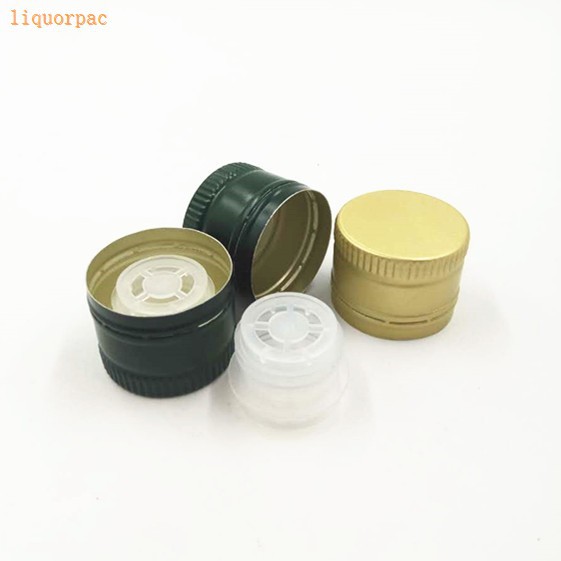
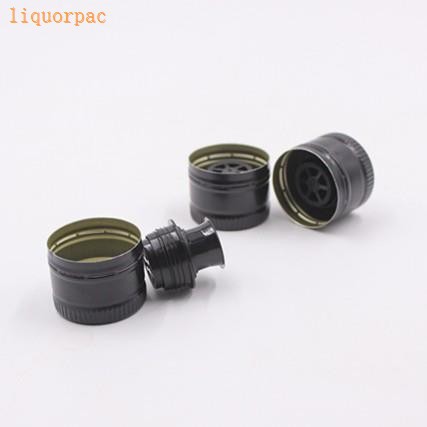
The Olive Oil Glass Bottle Aluminum Plastic Caps are a great option for wines that are packaged in similar glass bottles. These caps combine the durability of aluminum with the flexibility of plastic, providing a perfect seal for long - term storage.
Conclusion
In conclusion, wine screw caps and silicone stoppers serve different purposes in the world of wine. Wine screw caps are a superior choice for long - term storage, aging, and maintaining the quality of the wine from bottling to consumption. They offer excellent sealing performance, support proper wine aging, are easy to use, and are becoming more aesthetically appealing. Silicone stoppers, on the other hand, are ideal for short - term re - sealing of opened bottles, providing a cost - effective and convenient solution for consumers who want to keep their wine fresh for a few days.
If you are a winery looking for a reliable and high - quality wine screw cap solution, or if you are a wine distributor interested in enhancing the presentation and quality of your products, I invite you to contact me for a detailed discussion. Let's work together to find the perfect closure option for your wines.
References
- Jackson, H. (2018). "The Science of Wine: A Guide to the Nature, Production, and Enjoyment of Wine". University of California Press.
- Robinson, J. (2015). "The Oxford Companion to Wine". Oxford University Press.
- Boulton, R. B., Singleton, V. L., Bisson, L. F., & Kunkee, R. E. (1996). "Principles and Practices of Winemaking". Chapman & Hall.


