

Hey there! As a bottle lid supplier, I often get asked, "How do I know if a bottle lid is airtight?" It's a crucial question, especially when you're dealing with products that need to stay fresh, like beverages, food, or even certain chemicals. In this blog, I'll share some practical ways to check the airtightness of bottle lids, and also give you a peek into the types of bottle lids we offer.
Visual Inspection
The first step in checking if a bottle lid is airtight is a simple visual inspection. Take a close look at the lid and the bottle neck. The lid should fit snugly on the bottle without any visible gaps or misalignments. If you notice that the lid is crooked or there are spaces between the lid and the bottle, it's a clear sign that the seal might not be airtight.
Also, check the condition of the lid itself. Look for any cracks, dents, or damage. A damaged lid won't be able to create a proper seal. For example, if you're using Aluminum ROPP Caps For Wine Glass Bottles, make sure the aluminum is intact and there are no signs of bending or breakage. These caps are designed to provide a tight seal for wine bottles, but any damage can compromise their effectiveness.
The Squeeze Test
One of the easiest ways to test the airtightness of a bottle lid is the squeeze test. Fill the bottle with a small amount of water (not too full, just enough to cover the bottom). Then, put the lid on tightly and give the bottle a gentle squeeze. If the lid is airtight, you should feel some resistance when you squeeze the bottle, and no water should leak out from around the lid.
If water leaks out, it means the lid isn't creating a proper seal. This test works well for most types of bottle lids, whether they're plastic, metal, or a combination of both. For instance, our Whiskey Glass Bottles Aluminum ROPP Caps should pass this test with flying colors. These caps are engineered to provide a secure and airtight closure for whiskey bottles, ensuring that the precious liquid inside stays fresh and flavorful.
The Vacuum Test
Another effective method to check airtightness is the vacuum test. You'll need a vacuum sealer or a vacuum pump for this test. First, put the lid on the bottle as you normally would. Then, use the vacuum sealer or pump to remove the air from the bottle. If the lid is airtight, the vacuum should hold, and you'll notice that the bottle becomes harder to squeeze.
If the vacuum doesn't hold and the bottle can be easily squeezed, it means there's a leak in the seal. This test is particularly useful for products that require a high level of airtightness, such as canned goods or certain pharmaceutical products. Our Tequila Liquor Bottle Cap is designed to maintain a good vacuum seal, keeping the tequila inside fresh and preventing any oxidation.
Listening for a Pop
When you open a bottle with an airtight lid, you might hear a "pop" sound. This sound is caused by the pressure difference between the inside and outside of the bottle. If you don't hear this pop sound, it could be an indication that the lid isn't airtight.
However, it's important to note that this method isn't always foolproof. Some bottles may not make a loud pop sound even if they're airtight, especially if the pressure difference isn't significant. But in general, a distinct pop sound is a good sign that the lid has been maintaining an airtight seal.
Using a Pressure Gauge
For more precise testing, you can use a pressure gauge. This is a more technical method, but it can give you accurate information about the airtightness of the bottle lid. Attach the pressure gauge to the bottle and measure the pressure inside. If the pressure remains stable over a period of time, it means the lid is airtight.
If the pressure drops, it indicates that there's a leak in the seal. This method is commonly used in industrial settings where strict quality control is required. As a bottle lid supplier, we use pressure gauges to ensure that our lids meet the highest standards of airtightness.
Factors Affecting Airtightness
There are several factors that can affect the airtightness of a bottle lid. One of the most important factors is the material of the lid. Different materials have different properties, and some are better at creating an airtight seal than others. For example, aluminum lids are often used for their excellent sealing properties and resistance to corrosion.
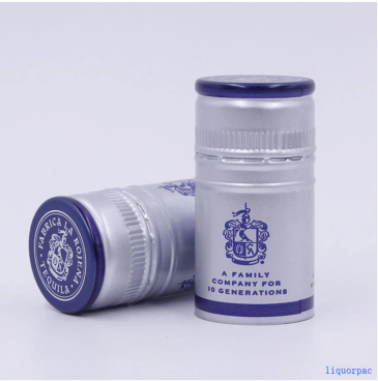
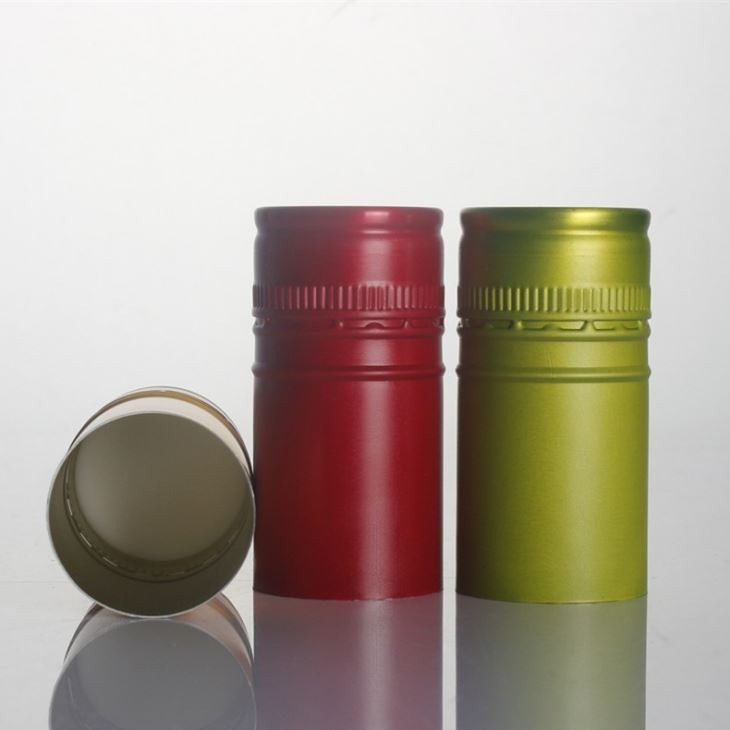
The design of the lid also plays a crucial role. A well-designed lid will have a proper thread or closure mechanism that allows it to fit tightly on the bottle. Additionally, the quality of the manufacturing process can impact the airtightness. Any defects or inconsistencies in the production can lead to a poor seal.
The condition of the bottle neck is another factor to consider. If the bottle neck is dirty, damaged, or has any debris on it, the lid may not be able to create a proper seal. It's important to ensure that both the lid and the bottle neck are clean and in good condition before use.
Our Range of Bottle Lids
As a bottle lid supplier, we offer a wide range of lids to meet the diverse needs of our customers. Our Aluminum ROPP Caps For Wine Glass Bottles are perfect for the wine industry. These caps provide a tamper-evident and airtight seal, ensuring that the wine inside stays fresh and protected.
Our Whiskey Glass Bottles Aluminum ROPP Caps are specifically designed for whiskey bottles. They are made from high-quality aluminum and are engineered to provide a secure and stylish closure.
And our Tequila Liquor Bottle Cap is a great choice for the tequila industry. It offers a non-refillable feature, which is important for preventing counterfeiting, and also provides an airtight seal to keep the tequila fresh.
Conclusion
Checking the airtightness of a bottle lid is essential to ensure the quality and freshness of the product inside. By using methods like visual inspection, the squeeze test, the vacuum test, listening for a pop, and using a pressure gauge, you can determine if a lid is airtight.
As a bottle lid supplier, we're committed to providing high-quality lids that meet the highest standards of airtightness. If you're in the market for bottle lids, whether it's for wine, whiskey, tequila, or any other product, we'd love to hear from you. Contact us to discuss your specific requirements and let's start a great partnership!
References
- Packaging Machinery Manufacturers Institute (PMMI). (2023). Packaging Technology Handbook.
- ASTM International. (2023). Standard Test Methods for Determining Airtightness of Packaging.


