

As a leading supplier of soda bottle caps, I've witnessed firsthand the fascinating process of how these essential components are attached to bottles. It's a blend of science, engineering, and precision that ensures the perfect seal and functionality of every soda bottle on the market. In this blog post, I'll take you through the journey of how soda bottle caps are attached to bottles, from the materials used to the machinery involved.
The Materials: A Foundation of Quality
The first step in the process is selecting the right materials for the bottle caps. At our company, we understand the importance of using high - quality materials that not only provide a secure seal but also meet the safety and environmental standards.
Most soda bottle caps are made from plastics or metals. Plastic caps, often made from polyethylene (PE) or polypropylene (PP), are lightweight, cost - effective, and can be easily molded into various shapes. They are also resistant to corrosion and can be recycled, making them an environmentally friendly choice.
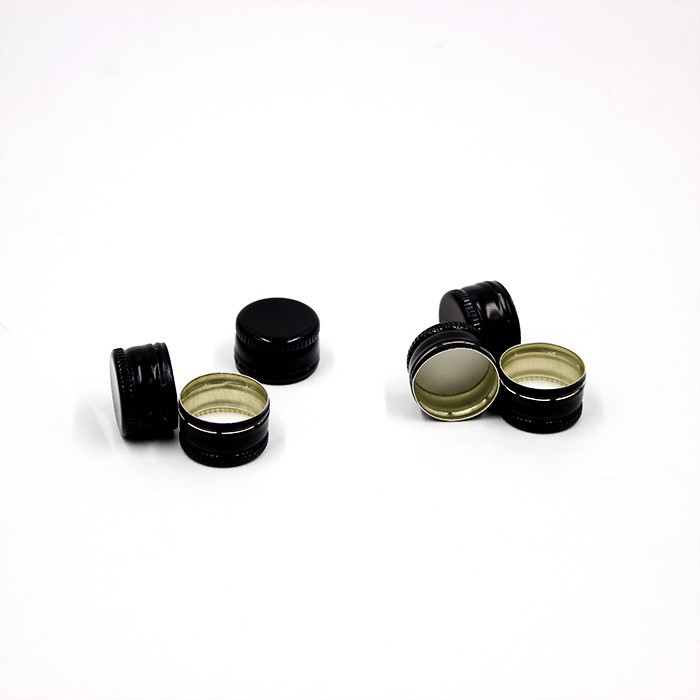
On the other hand, metal caps, such as those made from aluminum, offer a more premium look and feel. Aluminum caps are strong, durable, and provide an excellent barrier against oxygen and moisture. They are commonly used for high - end sodas and beverages. For instance, our Wine Aluminium Caps are crafted with precision to ensure a tight seal for wine bottles, and the same principles apply when it comes to soda bottles.
Manufacturing the Bottle Caps
Once the materials are selected, the manufacturing process begins. For plastic caps, the most common method is injection molding. In this process, plastic pellets are heated until they melt and then injected into a mold cavity under high pressure. The mold is designed to give the cap its specific shape, including the threads for screwing onto the bottle and the inner lining that provides the seal.
For metal caps, the manufacturing process is a bit more complex. Aluminum sheets are first cut into circular blanks. These blanks are then formed into the cap shape through a series of stamping and drawing operations. The caps are then coated to prevent corrosion and printed with branding and labeling information. Our 28mm ROPP Water Beverage Aluminum Caps are a prime example of the high - quality metal caps we produce, with precise dimensions and a smooth finish.
Preparing the Bottles
Before the caps can be attached, the bottles need to be prepared. This involves cleaning and sanitizing the bottles to ensure that they are free from any contaminants. The bottles are then inspected for any defects, such as cracks or scratches, that could affect the sealing process.
The neck of the bottle is also an important factor. It needs to have the correct dimensions and thread profile to match the cap. Any variations in the neck dimensions can lead to a poor seal, which can result in leakage and spoilage of the soda.
The Capping Process
There are several methods for attaching soda bottle caps to bottles, and the choice of method depends on the type of cap and the production volume.
Screw - on Caps
Screw - on caps are the most common type of cap used for soda bottles. The capping process for screw - on caps is relatively straightforward. The bottles are fed into a capping machine, where the caps are placed on top of the bottles. The machine then rotates the caps onto the bottles, using a set of spinning heads or a torque - controlled mechanism to ensure that the caps are tightened to the correct level.
The torque is a critical parameter in the capping process. If the cap is not tightened enough, it can come loose during transportation or storage, leading to leakage. On the other hand, if it is tightened too much, it can damage the bottle or the cap, making it difficult for the consumer to open.
Press - on Caps
Press - on caps, also known as snap - on caps, are another type of cap used for soda bottles. These caps are designed to be pushed onto the bottle neck, creating a tight seal through friction. The capping machine for press - on caps uses a set of pressing mechanisms to apply the necessary force to attach the caps to the bottles.
Press - on caps are often used for single - serve soda bottles or bottles with a non - threaded neck. They are easy to open and close, making them convenient for consumers.
Roll - on Pilfer - Proof (ROPP) Caps
ROPP caps are commonly used for high - end sodas and beverages. These caps are made from aluminum and are designed to provide a tamper - evident seal. The capping process for ROPP caps involves rolling the cap onto the bottle neck, which forms a tight seal and a breakable ring at the bottom of the cap.
When the consumer opens the bottle, the ring breaks, indicating that the bottle has been opened. Our Aluminum Closure For Spirits use a similar ROPP technology, ensuring the integrity and safety of the product.
Quality Control
After the caps are attached, the bottles go through a rigorous quality control process. This includes visual inspection to check for any defects in the caps or the sealing, as well as testing the seal integrity.
One common method for testing the seal integrity is the pressure - decay test. In this test, the bottles are placed in a chamber, and the pressure inside the chamber is increased. If there is a leak in the seal, the pressure inside the bottle will decrease, indicating a faulty seal.

Conclusion
The process of attaching soda bottle caps to bottles is a complex and precise operation that requires a combination of high - quality materials, advanced manufacturing techniques, and strict quality control. As a soda bottle cap supplier, we are committed to providing our customers with the best - in - class products that ensure the safety, quality, and integrity of their beverages.
If you are in the beverage industry and are looking for a reliable supplier of soda bottle caps, we would love to hear from you. Whether you need plastic caps, metal caps, or custom - designed caps, we have the expertise and resources to meet your needs. Contact us today to start a discussion about your specific requirements and how we can help you take your beverage packaging to the next level.
References
- Packaging Machinery Manufacturers Institute (PMMI). (2023). Beverage Packaging Technology Handbook.
- ASTM International. (2022). Standard Test Methods for Packaging Seals.
- European Federation of Bottled Water Associations (EFBWA). (2023). Best Practices in Bottled Water Packaging.


