

Do wine bottle cap covers protect the wine from oxidation?
As a supplier of wine bottle cap covers, I've often been asked whether these seemingly simple accessories can truly safeguard wine from oxidation. Oxidation is a critical concern for wine enthusiasts and producers alike, as it can significantly alter the flavor, aroma, and overall quality of the wine. In this blog post, I'll delve into the science behind wine oxidation, explore the role of wine bottle cap covers in preventing it, and share some insights based on my experience in the industry.
Understanding Wine Oxidation
Before we discuss the effectiveness of wine bottle cap covers, it's essential to understand what oxidation is and how it affects wine. Oxidation occurs when wine comes into contact with oxygen, a natural process that can happen during various stages of winemaking, storage, and consumption. When oxygen interacts with the compounds in wine, such as phenols, tannins, and alcohols, it triggers a series of chemical reactions that can lead to changes in the wine's color, flavor, and aroma.

In the early stages of oxidation, wine may develop a more complex flavor profile, with notes of nuts, caramel, and honey emerging. However, as oxidation progresses, the wine can become flat, dull, and lose its characteristic fruitiness. The color of the wine may also change, becoming browner and less vibrant. In severe cases, oxidation can render the wine undrinkable.
Factors Affecting Wine Oxidation
Several factors can influence the rate and extent of wine oxidation, including:
- Exposure to Oxygen: The more oxygen the wine is exposed to, the faster it will oxidize. This is why proper storage and sealing are crucial for preserving the quality of wine.
- Temperature: Higher temperatures can accelerate the oxidation process, as they increase the rate of chemical reactions. Wine should be stored at a cool, consistent temperature to minimize oxidation.
- Age of the Wine: Older wines are generally more susceptible to oxidation than younger wines, as they have had more time to interact with oxygen and develop chemical changes.
- Type of Wine: Some wines, such as red wines with high tannin content, are more resistant to oxidation than others. White wines and sparkling wines are typically more sensitive to oxidation.
The Role of Wine Bottle Cap Covers
Wine bottle cap covers are designed to provide an additional layer of protection against oxidation by creating a barrier between the wine and the outside air. They can help to prevent oxygen from entering the bottle and slow down the oxidation process, thereby preserving the flavor, aroma, and quality of the wine.
There are several types of wine bottle cap covers available on the market, each with its own unique features and benefits. Some of the most common types include:
- Corks: Corks are one of the oldest and most traditional types of wine bottle closures. They are made from the bark of the cork oak tree and are known for their ability to provide a tight seal and allow for a small amount of oxygen exchange, which can help the wine to age gracefully. However, corks can also be prone to cork taint, a condition caused by a chemical compound called TCA, which can give the wine a musty, moldy smell.
- Screw Caps: Screw caps are a relatively new type of wine bottle closure that has gained popularity in recent years. They are made from aluminum or plastic and provide a tight, airtight seal that can effectively prevent oxygen from entering the bottle. Screw caps are also easy to use and do not require a corkscrew, making them a convenient option for consumers.
- Synthetic Corks: Synthetic corks are made from plastic or rubber materials and are designed to mimic the look and feel of natural corks. They provide a tight seal and are less prone to cork taint than natural corks. However, some consumers may prefer the traditional look and feel of natural corks.
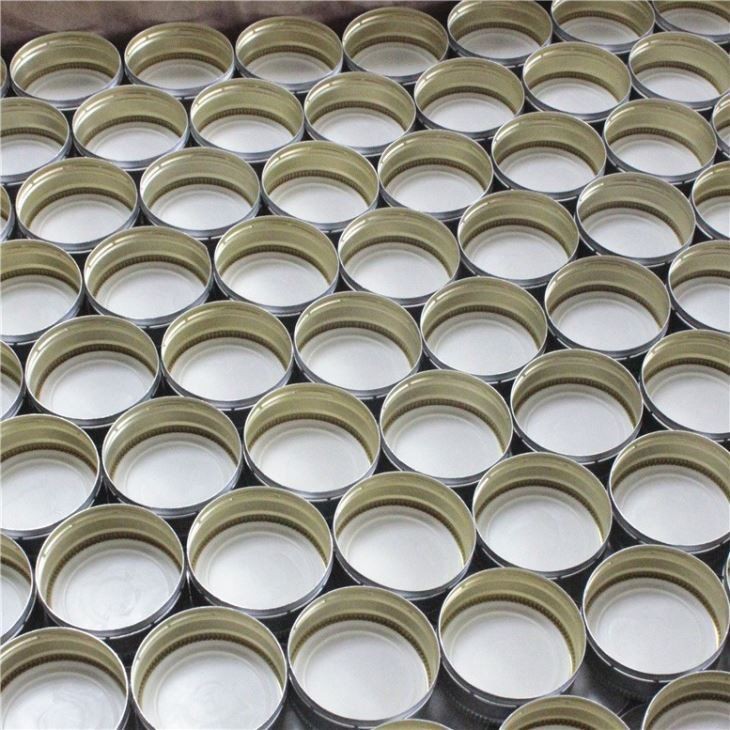
- Wine Bottle Caps: Wine bottle caps, such as 28mm ROPP Water Beverage Aluminum Caps, Mineral Spring Water 28mm Aluminum Cap, and Silver ROPP Aluminum Caps, are made from aluminum or other materials and are designed to provide a secure and airtight seal. They are commonly used for sparkling wines, fortified wines, and other types of wines that require a high level of protection against oxidation.
Benefits of Using Wine Bottle Cap Covers
Using wine bottle cap covers can offer several benefits, including:
- Preserving the Quality of the Wine: By preventing oxygen from entering the bottle, wine bottle cap covers can help to preserve the flavor, aroma, and quality of the wine for a longer period of time.
- Reducing the Risk of Oxidation: Wine bottle cap covers can provide an additional layer of protection against oxidation, especially in cases where the wine is exposed to air during storage or transportation.
- Convenience: Wine bottle cap covers are easy to use and do not require any special tools or equipment. They can be quickly and easily removed and replaced, making them a convenient option for consumers.
- Cost-Effective: Wine bottle cap covers are relatively inexpensive compared to other types of wine closures, such as corks. They can provide a cost-effective solution for preserving the quality of wine without breaking the bank.
Choosing the Right Wine Bottle Cap Cover
When choosing a wine bottle cap cover, it's important to consider several factors, including:
- Type of Wine: Different types of wine may require different types of closures. For example, red wines with high tannin content may benefit from a cork closure, while white wines and sparkling wines may be better suited for a screw cap or wine bottle cap.
- Storage Conditions: If you plan to store your wine for an extended period of time, you may want to choose a closure that provides a high level of protection against oxidation. Corks and screw caps are both good options for long-term storage, while synthetic corks and wine bottle caps may be more suitable for short-term storage.
- Personal Preference: Ultimately, the choice of wine bottle cap cover comes down to personal preference. Some consumers may prefer the traditional look and feel of a cork closure, while others may prefer the convenience and reliability of a screw cap or wine bottle cap.
Conclusion
In conclusion, wine bottle cap covers can play an important role in protecting wine from oxidation and preserving its flavor, aroma, and quality. By creating a barrier between the wine and the outside air, they can help to slow down the oxidation process and extend the lifespan of the wine. However, it's important to choose the right type of wine bottle cap cover based on the type of wine, storage conditions, and personal preference.
As a supplier of wine bottle cap covers, I'm committed to providing high-quality products that meet the needs of our customers. If you're interested in learning more about our wine bottle cap covers or have any questions, please don't hesitate to contact us. We'd be happy to discuss your options and help you find the perfect solution for your wine storage needs.
References
- Jackson, R. S. (2008). Wine Science: Principles and Applications (3rd ed.). Academic Press.
- Robinson, J., Harding, J., & Vouillamoz, J. (2012). Wine Grapes: A Complete Guide to 1,368 Vine Varieties, Including Their Origins and Flavours. Allen & Unwin.
- Zoecklein, B. W., Fugelsang, K. C., Gump, B. H., & Nury, F. S. (1999). Wine Analysis and Production. Springer.


