

When it comes to preserving the delicate flavor of wine, the choice of closure is a critical decision that can significantly impact the overall quality and taste experience. As a leading supplier of wine bottle screw caps, I often encounter the question: Can I use a wine bottle screw cap on a wine with a delicate flavor? In this blog post, I will delve into this topic, exploring the science behind wine closures and the factors to consider when selecting the right closure for your delicate wines.
The Role of Wine Closures in Preserving Flavor
Wine closures serve several important functions in the preservation of wine. Firstly, they prevent oxygen from entering the bottle, which can cause oxidation and spoilage. Oxidation can lead to the loss of delicate flavors and aromas, as well as the development of off-flavors such as sherry-like notes. Secondly, closures help to maintain the carbon dioxide levels in sparkling wines, ensuring that they remain fizzy and refreshing. Finally, closures can also affect the aging potential of wine, as some closures allow for a small amount of oxygen to enter the bottle over time, which can contribute to the development of complex flavors and aromas.
Traditional Cork vs. Screw Caps
For many years, cork has been the traditional closure of choice for wine bottles. Cork is a natural material that has been used for centuries to seal wine bottles, and it is prized for its ability to allow a small amount of oxygen to enter the bottle over time, which can contribute to the aging process. However, cork also has several drawbacks. Firstly, cork is a natural material, which means that it can vary in quality and consistency. This can lead to issues such as cork taint, which is caused by a chemical compound called TCA (2,4,6-trichloroanisole) that can develop in cork and impart a musty, moldy flavor to the wine. Secondly, cork can be difficult to remove from the bottle, especially for older wines that have been stored for a long time. Finally, cork is a relatively expensive material, which can add to the cost of producing wine.
In recent years, screw caps have become an increasingly popular alternative to cork. Screw caps are made from a variety of materials, including aluminum and plastic, and they offer several advantages over cork. Firstly, screw caps provide a more consistent and reliable seal than cork, which can help to prevent oxidation and spoilage. Secondly, screw caps are easier to open and close than cork, which can make them more convenient for consumers. Finally, screw caps are generally less expensive than cork, which can help to reduce the cost of producing wine.
Can I Use a Wine Bottle Screw Cap on a Wine with a Delicate Flavor?
The answer to this question depends on several factors, including the type of wine, the intended aging potential of the wine, and personal preference. In general, screw caps are a good choice for wines that are intended to be consumed within a few years of bottling, as they provide a tight seal that can help to preserve the delicate flavors and aromas of the wine. Screw caps are also a good choice for wines that are prone to oxidation, such as white wines and rosés.
However, for wines that are intended to be aged for a longer period of time, cork may still be the preferred closure. This is because cork allows a small amount of oxygen to enter the bottle over time, which can contribute to the development of complex flavors and aromas. Additionally, some consumers prefer the traditional look and feel of cork, and may associate cork with higher-quality wines.
Factors to Consider When Selecting a Wine Closure
When selecting a wine closure, there are several factors to consider, including:

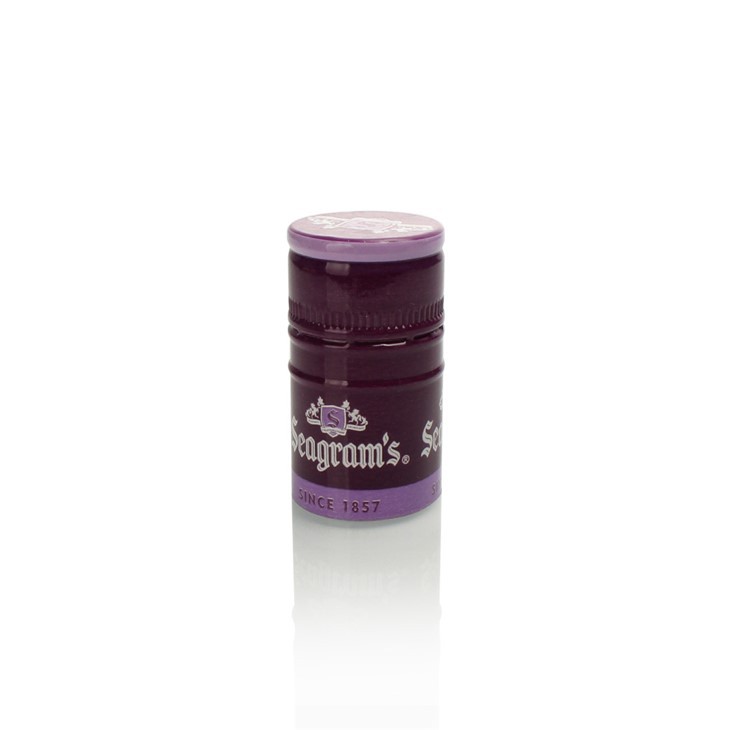
- Type of Wine: Different types of wine have different flavor profiles and aging potential, and the choice of closure should be based on these factors. For example, white wines and rosés are generally more delicate and prone to oxidation than red wines, and may benefit from a screw cap closure. Red wines, on the other hand, are generally more robust and can tolerate a small amount of oxygen, and may benefit from a cork closure.
- Intended Aging Potential: If you plan to age your wine for a long period of time, you may want to consider using a cork closure. Cork allows a small amount of oxygen to enter the bottle over time, which can contribute to the development of complex flavors and aromas. However, if you plan to consume your wine within a few years of bottling, a screw cap closure may be a better choice.
- Personal Preference: Ultimately, the choice of wine closure comes down to personal preference. Some consumers prefer the traditional look and feel of cork, while others prefer the convenience and reliability of screw caps. It is important to choose a closure that you are comfortable with and that suits your individual needs and preferences.
Our Wine Bottle Screw Caps
As a leading supplier of wine bottle screw caps, we offer a wide range of high-quality screw caps that are designed to meet the needs of winemakers and consumers alike. Our screw caps are made from premium materials and are available in a variety of sizes and styles to suit different types of wine bottles.
Some of our popular screw cap products include:
- 30*60mm Aluminum Cap For Wine Bottle: This aluminum cap is designed for use on wine bottles with a 30mm neck finish and a 60mm height. It provides a tight seal that helps to prevent oxidation and spoilage, and it is available in a variety of colors and finishes to suit your branding needs.
- Wine Cap: Our wine caps are made from high-quality aluminum and are designed to provide a secure and reliable seal for your wine bottles. They are available in a variety of sizes and styles to suit different types of wine bottles, and they can be customized with your logo or branding.
- 28mm Roll-top Bottle Caps: These roll-top bottle caps are designed for use on wine bottles with a 28mm neck finish. They provide a tight seal that helps to prevent oxidation and spoilage, and they are easy to apply and remove.
Contact Us for Procurement and Negotiation
If you are interested in learning more about our wine bottle screw caps or would like to discuss your specific requirements, please do not hesitate to contact us. Our team of experts is available to answer your questions and provide you with the information you need to make an informed decision. We look forward to working with you to find the perfect wine closure solution for your needs.
References
- Jackson, R. S. (2008). Wine Science: Principles, Practices, Perceptions. Academic Press.
- Robinson, J., Harding, J., & Vouillamoz, J. (2012). Wine Grapes: A Complete Guide to 1,368 Vine Varieties, Including Their Origins and Flavours. Allen & Unwin.
- Zoecklein, B. W., Fugelsang, K. C., Gump, B. H., & Nury, F. S. (1999). Wine Analysis and Production. Springer.


