

In the pharmaceutical industry, the proper packaging of medications is of utmost importance. Packaging not only protects the drugs from external factors such as light, moisture, and air but also ensures the safety and integrity of the product throughout its shelf - life. One question that often arises is whether glass bottle caps can be used in this critical industry. As a Glass Bottle Cap supplier, I will provide a comprehensive analysis of this topic, exploring the advantages, limitations, and regulatory considerations of using glass bottle caps in the pharmaceutical sector.
Advantages of Glass Bottle Caps in the Pharmaceutical Industry
1. Chemical Inertness
Glass is known for its high chemical inertness. It does not react with most pharmaceutical substances, which is a crucial property when it comes to storing medications. Unlike some plastic or metal caps, glass bottle caps will not leach any harmful chemicals or contaminants into the drugs. This ensures the purity and stability of the pharmaceutical products inside the bottles. For example, in the case of certain sensitive medications like insulin or antibiotics, maintaining the chemical composition is vital for their effectiveness. Glass bottle caps can play a significant role in preventing any unwanted chemical reactions that could degrade the drugs.
2. Airtight Seal
A good seal is essential to keep out moisture, oxygen, and other contaminants that can affect the quality of pharmaceuticals. Glass bottle caps can form an excellent airtight seal. When combined with appropriate sealing mechanisms such as rubber gaskets or liners, they can effectively prevent the ingress of air and moisture. This is particularly important for drugs that are hygroscopic (tend to absorb moisture) or oxidize easily in the presence of air. For instance, vitamins and some heart medications are sensitive to oxidation and moisture, and an airtight glass bottle cap can help maintain their potency over time.
3. Visual Inspection
Glass is transparent, allowing for easy visual inspection of the seal and the product inside the bottle. Pharmacists and patients can quickly check if the cap is properly sealed and if there are any signs of damage or contamination. This transparency can also be useful during quality control processes in the pharmaceutical manufacturing facilities. For example, if a bottle cap is chipped or if there is any visible change in the appearance of the medication, it can be detected immediately, ensuring only safe and high - quality products reach the market.
4. Durability
Glass bottle caps are relatively durable. They can withstand normal handling and transportation conditions without significant damage. This durability reduces the risk of the cap breaking during the supply chain, which could lead to contamination of the pharmaceutical product. In comparison, some plastic caps may be more prone to cracking or breaking, especially if they are exposed to extreme temperatures or rough handling.
Limitations of Glass Bottle Caps in the Pharmaceutical Industry
1. Fragility
Despite their durability in normal circumstances, glass bottle caps are still fragile compared to other materials such as plastic or metal. They can break if dropped or subjected to excessive force. This fragility can be a significant drawback, especially during the manufacturing, packaging, and transportation processes. A broken glass cap can contaminate the medication and pose a safety risk to both the workers handling the products and the end - users.
2. Cost
The production of glass bottle caps is generally more expensive than that of plastic or metal caps. The raw materials, manufacturing processes, and energy consumption associated with glass production contribute to the higher cost. This can increase the overall packaging cost for pharmaceutical companies, which may be a deterrent for some manufacturers, especially those producing high - volume, low - cost medications.
3. Weight
Glass is heavier than plastic and some metals. Heavier packaging can increase the shipping costs, especially for large - scale pharmaceutical shipments. Moreover, the extra weight can also be inconvenient for patients, especially those who need to carry their medications with them on a daily basis.
Regulatory Considerations
The pharmaceutical industry is highly regulated, and any packaging material, including bottle caps, must meet strict regulatory requirements. In many countries, regulatory bodies such as the United States Food and Drug Administration (FDA) and the European Medicines Agency (EMA) have specific guidelines for pharmaceutical packaging.
Glass bottle caps need to comply with these regulations to ensure the safety and quality of the medications. For example, they must be free from any harmful substances, and the sealing mechanism must be reliable. The regulatory approval process can be time - consuming and expensive, which is another factor that pharmaceutical companies need to consider when evaluating the use of glass bottle caps.
Existing Applications and Market Trends
Currently, the use of glass bottle caps in the pharmaceutical industry is relatively limited. Most pharmaceutical companies prefer plastic or metal caps due to their lower cost, lighter weight, and lower risk of breakage. However, there has been a growing interest in using more sustainable and safer packaging materials in recent years.
Some high - end or specialty pharmaceutical products, such as certain injectable medications or luxury skincare products with pharmaceutical ingredients, may utilize glass bottle caps for their perceived premium quality and chemical inertness. As consumers become more aware of the environmental and safety aspects of pharmaceutical packaging, there may be an increasing demand for glass bottle caps in the future.
Our Offerings as a Glass Bottle Cap Supplier
As a leading Glass Bottle Cap supplier, we understand the unique requirements of the pharmaceutical industry. We offer a wide range of glass bottle caps that are designed to meet the highest quality and regulatory standards. Our caps are made from high - quality glass materials that are chemically inert, ensuring the safety and stability of pharmaceutical products.
We also provide customized solutions, including different sizes, shapes, and sealing mechanisms, to meet the specific needs of our customers. Whether you are looking for a simple glass cap for a small - volume medication or a more complex design for a high - end product, we can work with you to develop the perfect solution.
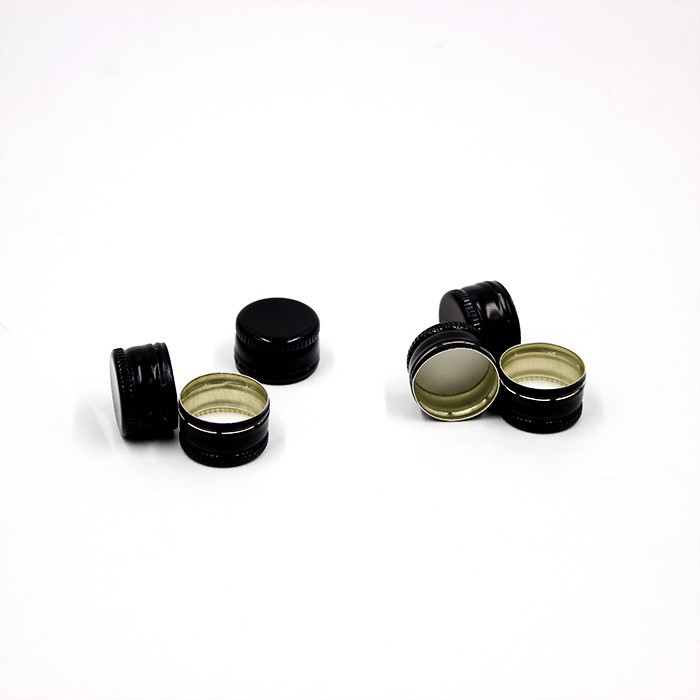
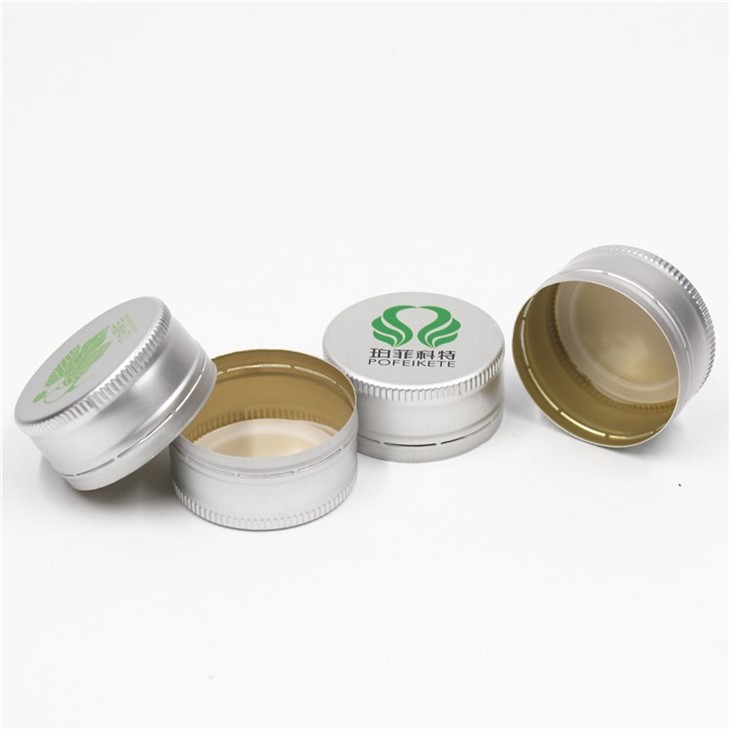
In addition to our glass bottle caps, we also offer a variety of other bottle cap products, such as Aluminum Closure For Spirits, Wine Bottle Top Covers, and 38mm Aluminum Cap. These products are suitable for different industries, including the beverage and cosmetic sectors.
Contact for Purchase and Negotiation
If you are interested in our glass bottle caps or other bottle cap products, we invite you to contact us for a purchase negotiation. We have a team of experienced sales representatives who can provide you with detailed information about our products, pricing, and delivery options. We are committed to providing high - quality products and excellent customer service to help you meet your packaging needs.
References
- International Organization for Standardization. (20xx). Packaging standards for pharmaceutical products.
- United States Food and Drug Administration. (20xx). Guidelines for pharmaceutical packaging materials.
- European Medicines Agency. (20xx). Regulatory requirements for pharmaceutical packaging.


