

Can glass bottle caps be used in the chemical industry? This is a question that often pops up in discussions among industry professionals and enthusiasts alike. As a supplier of glass bottle caps, I've had my fair share of inquiries regarding the potential applications of our products in the chemical sector. In this blog post, I'll delve into the possibilities, limitations, and considerations surrounding the use of glass bottle caps in the chemical industry.
Understanding the Chemical Industry's Requirements
The chemical industry is a vast and diverse field that encompasses a wide range of products, from pharmaceuticals and cosmetics to industrial chemicals and cleaning agents. Each product has its own unique set of requirements when it comes to packaging, including factors such as compatibility, safety, and durability.
One of the primary concerns in the chemical industry is ensuring that the packaging materials are compatible with the contents. Chemicals can be highly reactive and corrosive, and if the packaging materials are not carefully selected, they can react with the contents, leading to contamination, degradation, or even safety hazards. Therefore, it's crucial to choose packaging materials that are resistant to the specific chemicals being packaged.
Another important consideration is safety. Chemical products often pose risks to human health and the environment, and it's essential to ensure that the packaging materials provide adequate protection against leakage, spills, and other potential hazards. This may involve using materials that are strong, durable, and resistant to impact, as well as incorporating features such as tamper-evident seals and child-resistant closures.

The Advantages of Glass Bottle Caps in the Chemical Industry
Glass is a popular choice for packaging in the chemical industry due to its many advantages. It is a non-reactive material that does not interact with most chemicals, making it an ideal choice for storing a wide range of products. Glass is also transparent, which allows for easy inspection of the contents, and it can be easily cleaned and sterilized, making it suitable for use in applications where hygiene is a concern.
In addition to its chemical resistance and transparency, glass is also a strong and durable material that can withstand high pressures and temperatures. This makes it suitable for use in applications where the contents may be under pressure or where the packaging may be exposed to extreme conditions.
Glass bottle caps can also provide a high level of protection against contamination and leakage. They can be designed to fit tightly onto the bottle, creating a seal that prevents the contents from escaping and protects them from external contaminants. Some glass bottle caps also incorporate features such as tamper-evident seals and child-resistant closures, which can further enhance the safety and security of the packaging.
The Limitations of Glass Bottle Caps in the Chemical Industry
While glass bottle caps offer many advantages, they also have some limitations that need to be considered. One of the main limitations is their fragility. Glass is a brittle material that can break easily if it is dropped or subjected to impact. This can pose a safety hazard, especially if the contents of the bottle are hazardous or corrosive.
Another limitation is the cost. Glass is generally more expensive than other packaging materials, such as plastic or metal. This can make it less cost-effective for some applications, especially those where large quantities of packaging are required.
In addition, glass bottle caps may not be suitable for all types of chemicals. Some chemicals may react with glass or may require special packaging materials to ensure their stability and safety. For example, some strong acids and alkalis can corrode glass over time, while others may require packaging materials that are resistant to high temperatures or pressures.
Considerations for Using Glass Bottle Caps in the Chemical Industry
If you're considering using glass bottle caps in the chemical industry, there are several factors that you need to take into account. First and foremost, you need to ensure that the glass bottle caps are compatible with the specific chemicals being packaged. This may involve conducting compatibility tests or consulting with a packaging expert to determine the best type of glass and cap for your application.
You also need to consider the safety and security of the packaging. As mentioned earlier, glass bottle caps can provide a high level of protection against contamination and leakage, but you need to ensure that they are designed and manufactured to meet the relevant safety standards. This may involve incorporating features such as tamper-evident seals and child-resistant closures, as well as using materials that are strong and durable.
Another important consideration is the cost. While glass bottle caps may be more expensive than other packaging materials, they can offer significant advantages in terms of chemical resistance, transparency, and durability. You need to weigh the cost of the packaging against the benefits it provides to determine whether it is a cost-effective solution for your application.
Finally, you need to consider the environmental impact of using glass bottle caps. Glass is a recyclable material, but it requires a significant amount of energy to produce and transport. You need to ensure that you are using glass bottle caps in a sustainable manner and that you are recycling them properly at the end of their life cycle.
Our Glass Bottle Cap Products
As a supplier of glass bottle caps, we offer a wide range of products that are suitable for use in the chemical industry. Our caps are made from high-quality glass and are designed to provide a tight seal and excellent protection against contamination and leakage. We also offer a variety of styles and sizes to meet the specific needs of our customers.
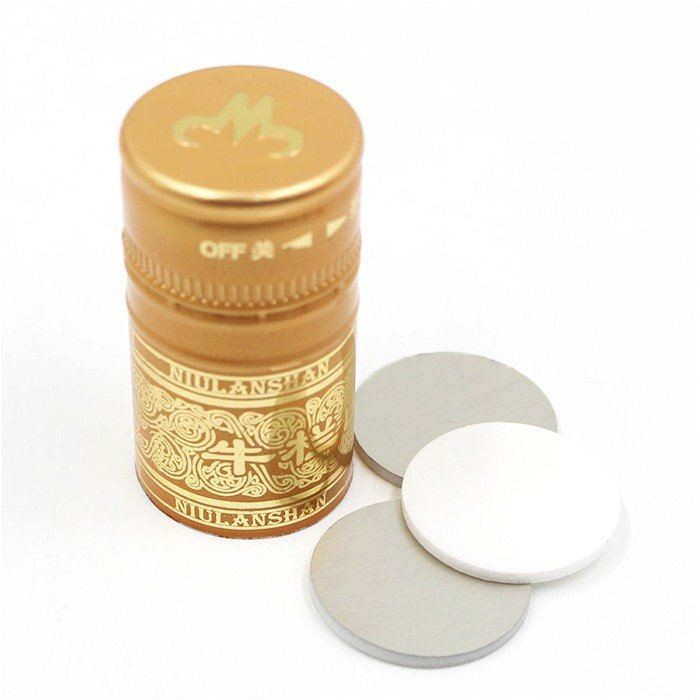
One of our popular products is the 38mm Silver Aluminum Cap. This cap is made from high-quality aluminum and features a silver finish that gives it a sleek and professional look. It is designed to fit tightly onto 38mm glass bottles and provides a secure seal that prevents the contents from escaping.
We also offer a range of Wine Bottle Screw Caps that are suitable for use in the wine industry. These caps are made from high-quality aluminum and feature a screw-on design that makes them easy to use and remove. They are available in a variety of colors and styles to meet the specific needs of our customers.
In addition, we offer a range of Wine Screw Caps that are designed specifically for use with wine bottles. These caps are made from high-quality aluminum and feature a screw-on design that provides a tight seal and excellent protection against oxidation and spoilage. They are available in a variety of colors and styles to meet the specific needs of our customers.
Conclusion
In conclusion, glass bottle caps can be a viable option for use in the chemical industry, but they need to be carefully selected and used in accordance with the specific requirements of the application. While glass bottle caps offer many advantages, such as chemical resistance, transparency, and durability, they also have some limitations, such as fragility and cost. Therefore, it's important to weigh the pros and cons of using glass bottle caps and to consider other factors, such as safety, security, and environmental impact, before making a decision.
If you're interested in learning more about our glass bottle cap products or if you have any questions or concerns, please don't hesitate to contact us. We'd be happy to discuss your specific needs and to provide you with more information about our products and services. We look forward to hearing from you and to working with you to find the best packaging solution for your chemical products.
References
- "Packaging Materials for the Chemical Industry." Chemical Engineering, vol. 120, no. 11, 2013, pp. 34-40.
- "Glass Packaging in the Chemical Industry." Glass Packaging Institute, 2015.
- "Safety Considerations for Chemical Packaging." Occupational Safety and Health Administration, 2016.


