

Yo, what's up everyone! I'm a supplier of Aluminium Screw Caps, and today I wanna talk about a hot topic: Can aluminium screw caps be used for electronic components? You might be scratching your head like, "Aluminium caps usually go on bottles, right? How can they be for electronics?" Well, let's dig deep into this matter.
Why Aluminium?
First off, let's talk about why aluminium is kinda cool in general. Aluminium is lightweight, which is super important in the electronics world. You don't want your gadgets to feel like bricks in your pockets or backpacks. It also has good corrosion resistance. Electronics can sometimes get exposed to different environments, and you don't want the components to rust or corrode. Aluminium forms a thin oxide layer on its surface that protects it from the elements.
Another plus is its electrical conductivity. While it's not as good as copper, it's still pretty decent. In some electronic applications where weight and cost are more of a concern than super - high conductivity, aluminium can be a great alternative.
Potential Uses of Aluminium Screw Caps in Electronics
1. Enclosure and Protection
One of the most obvious uses of aluminium screw caps in electronics is for enclosures. Think about it. If you have a small electronic device, like a sensor or a small circuit board, you need to protect it from dust, moisture, and physical damage. Aluminium screw caps can be designed to fit snugly over these components, creating a sealed environment.
For example, in industrial sensors that are used in harsh environments, an aluminium screw cap can keep the internal components safe. The screw - on design ensures a tight fit, and the aluminium material provides a durable barrier against the elements.
2. Heat Dissipation
As electronics get more powerful, heat management becomes a big deal. Aluminium is a good conductor of heat. Some electronic components, like power transistors or LEDs, generate a lot of heat. An aluminium screw cap can be used as a heat sink. You can attach the cap to the component, and the heat will transfer from the component to the cap and then dissipate into the surrounding air.
This is especially useful in smaller electronic devices where space is limited. You can't always put in a big, bulky heat sink, but an aluminium screw cap can do the job in a more compact way.
3. EMI/RFI Shielding
Electromagnetic interference (EMI) and radio - frequency interference (RFI) can mess with the performance of electronic devices. Aluminium is a good conductor, and it can act as a shield against these interferences. By using an aluminium screw cap to enclose an electronic component or a circuit board, you can reduce the amount of EMI/RFI getting in or out of the device. This is crucial in sensitive electronic systems, such as those used in medical devices or communication equipment.
Challenges and Limitations
Of course, it's not all sunshine and rainbows when it comes to using aluminium screw caps in electronics.
1. Electrical Insulation
While aluminium is a conductor, in some cases, you need electrical insulation. If an aluminium screw cap comes into contact with other conductive parts in an electronic device, it could cause short - circuits. This means you need to be careful in the design and installation. You might need to use insulating gaskets or coatings on the cap to prevent unwanted electrical connections.
2. Compatibility with Other Materials
In electronics, there are often different materials used together. Aluminium might react chemically with some of these materials over time. For example, in the presence of moisture, it could cause a chemical reaction with certain types of plastics or other metals, leading to corrosion or degradation of the components.
3. Precision and Tolerance
Electronic components often require very high precision and tight tolerances. Making aluminium screw caps that fit perfectly and meet these requirements can be a challenge. The manufacturing process needs to be carefully controlled to ensure that the caps have the right dimensions and thread pitch.
Our Products and Their Suitability
As a supplier of Aluminium Screw Caps, we offer a wide range of products that could potentially be used in electronic applications. For instance, our 28mm ROPP Water Beverage Aluminum Caps are made with high - quality aluminium. They have a smooth finish and a well - formed thread, which could be adapted for some smaller electronic enclosures. The 28mm size is quite common and could fit many standard - sized electronic components.
Our 28mm PCO 1881 Water Bottle Cap is another option. It has a specific design that offers a good seal. This could be useful for protecting electronic components from moisture and dust. The cap is made with precision, which is important when it comes to fitting it onto an electronic device.
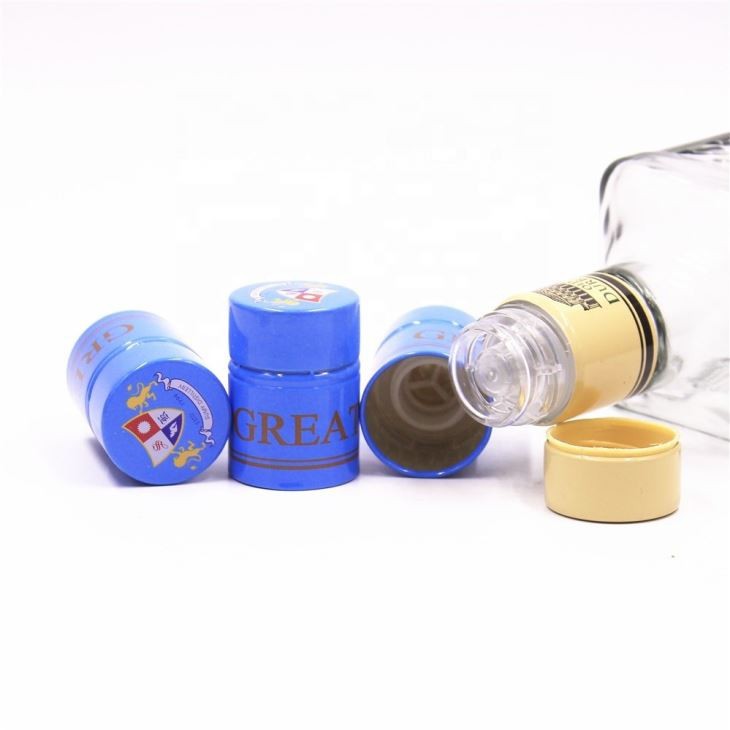
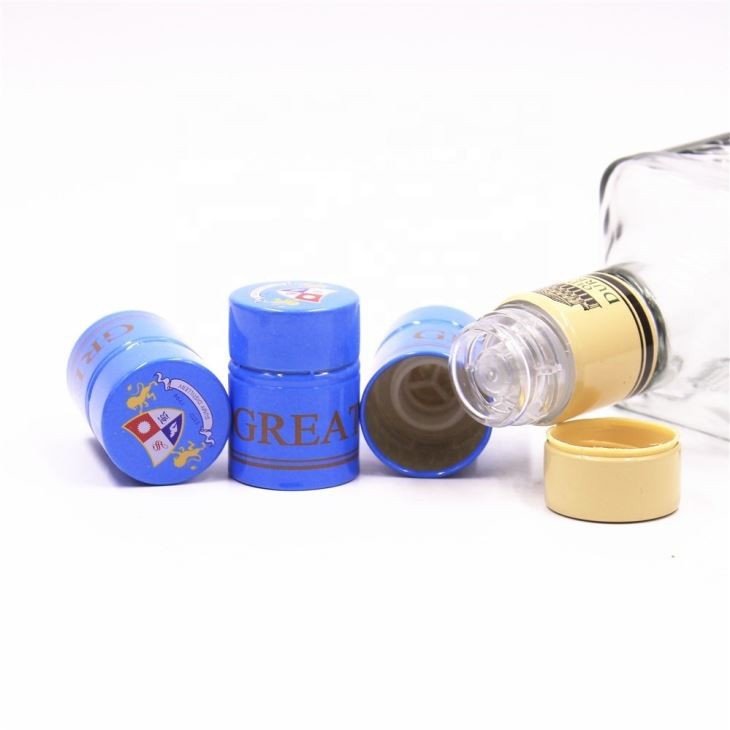
If you're looking for something a bit more unique, our Tequila Liquor Bottle Cap has an interesting design. Its non - refillable feature might not be directly relevant to electronics, but the shape and material quality could be adapted for certain electronic applications, such as creating a sealed enclosure for a specific type of sensor.
Conclusion
So, can aluminium screw caps be used for electronic components? The answer is a big yes, with some considerations. There are definitely some great potential uses, like enclosure, heat dissipation, and EMI/RFI shielding. But there are also challenges, such as electrical insulation, material compatibility, and precision requirements.
If you're in the electronics industry and think our aluminium screw caps could be a good fit for your products, don't hesitate to reach out. We're always open to discussing custom - made solutions to meet your specific needs. Whether you need a different size, shape, or finish, we can work with you to make it happen. Let's have a chat and see how we can collaborate to make your electronic devices even better!
References
- "Aluminium in Electronics: Properties and Applications" - A technical report on the use of aluminium in the electronics industry.
- "Electromagnetic Interference Shielding Materials" - A study on different materials used for EMI shielding, including aluminium.
- "Heat Transfer in Electronic Devices" - Research on heat management techniques in electronics, with a focus on the use of aluminium as a heat - conducting material.


