

When it comes to the world of wine, every detail matters, from the grape variety and the terroir to the aging process and the bottling. One aspect that often goes unnoticed but plays a significant role in wine preservation and presentation is the wine bottle screw cap. As a supplier of Wine Bottle Screw Caps, I've witnessed firsthand the evolving preferences and the science behind these closures. A common question that arises is whether there are any differences in wine bottle screw caps for red and white wines. In this blog, we'll delve into this topic, exploring the factors that influence the choice of screw caps for different wine types.
The Basics of Wine Bottle Screw Caps
Wine bottle screw caps have come a long way since their introduction. Initially met with skepticism by traditionalists, they have now gained widespread acceptance due to their practicality and ability to preserve wine quality. Screw caps are typically made of aluminum, which provides an airtight seal, protecting the wine from oxidation and cork taint. This is crucial for maintaining the wine's flavor, aroma, and freshness over time.
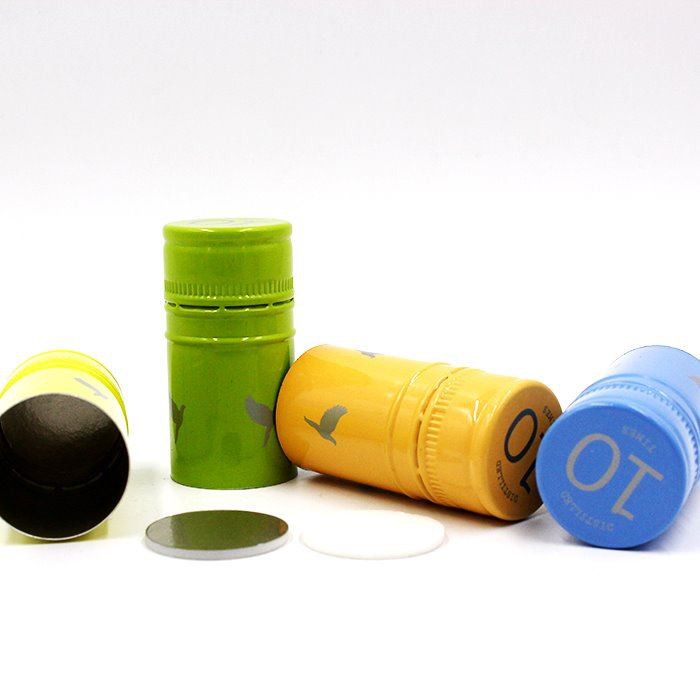

There are various types of screw caps available in the market, each with its own unique features and benefits. For instance, Wine Aluminium Caps are popular for their durability and sleek appearance. They come in different colors and finishes, allowing winemakers to customize the look of their bottles. On the other hand, Soda Bottle Caps are designed to withstand the pressure of carbonated beverages, ensuring a tight seal.
Differences in Screw Caps for Red and White Wines
While the basic function of a screw cap is the same for both red and white wines, there are some differences in the design and materials used to accommodate the specific characteristics of each wine type.
Oxygen Permeability
One of the key differences lies in the oxygen permeability of the screw cap. Red wines generally benefit from a small amount of oxygen exposure during aging, as it helps to soften the tannins and develop complex flavors. Therefore, screw caps for red wines are often designed to allow a slightly higher level of oxygen ingress compared to those for white wines. This controlled oxygen exposure can enhance the aging process and improve the overall quality of the red wine.
In contrast, white wines are more delicate and prone to oxidation. Excessive oxygen exposure can cause white wines to lose their freshness, aroma, and color. As a result, screw caps for white wines are typically designed to provide a tighter seal, minimizing oxygen transfer and preserving the wine's youthful characteristics.
Closure Design
The design of the screw cap can also vary depending on the wine type. Red wines are often aged in the bottle for a longer period, and their flavor profiles can continue to evolve over time. To accommodate this aging process, screw caps for red wines may have a more robust design that can withstand the pressure changes inside the bottle. They may also feature a liner material that is resistant to the high alcohol content and tannins found in red wines.
White wines, on the other hand, are usually consumed within a few years of bottling and are less likely to undergo significant aging. Screw caps for white wines may be designed with a focus on ease of use and a clean, modern look. They may have a thinner liner material that provides a tight seal without affecting the wine's flavor.
Color and Appearance
The color and appearance of the screw cap can also play a role in differentiating between red and white wines. Red wines are often associated with warmth, richness, and sophistication, and screw caps for red wines may be chosen to reflect these qualities. Dark colors such as black, dark red, or bronze are commonly used for red wine screw caps, as they convey a sense of elegance and maturity.
White wines, on the other hand, are often associated with freshness, lightness, and purity. Screw caps for white wines may be lighter in color, such as silver, gold, or clear, to enhance the wine's visual appeal and convey a sense of crispness and clarity.
Other Factors to Consider
In addition to the differences in oxygen permeability, closure design, and color, there are other factors that winemakers may consider when choosing a screw cap for their red or white wines.
Wine Style
The style of the wine is an important factor to consider. For example, a bold, full-bodied red wine may require a screw cap with a higher oxygen permeability to allow for proper aging and flavor development. In contrast, a light, fruity white wine may benefit from a screw cap with a tighter seal to preserve its freshness and aroma.
Market Preferences
Market preferences also play a role in the choice of screw caps. In some regions, consumers may have a preference for traditional cork closures, while in others, screw caps are more widely accepted. Winemakers need to consider the target market and the expectations of their customers when selecting a screw cap for their wines.
Cost
Cost is another factor that cannot be ignored. Screw caps are generally more cost-effective than cork closures, especially for large-scale production. However, the cost of screw caps can vary depending on the material, design, and quantity ordered. Winemakers need to balance the cost with the quality and functionality of the screw cap to ensure that they are getting the best value for their money.
Conclusion
In conclusion, there are indeed some differences in wine bottle screw caps for red and white wines. These differences are primarily based on the specific characteristics of each wine type, such as oxygen permeability, flavor profile, and aging potential. By understanding these differences, winemakers can choose the right screw cap for their wines, ensuring optimal preservation and presentation.
As a supplier of Wine Bottle Screw Caps, we offer a wide range of options to meet the diverse needs of winemakers. Our 3060mm Aluminum Wine Bottle Cap is a popular choice for both red and white wines, thanks to its high-quality materials, reliable performance, and customizable design.
If you're a winemaker or a distributor looking for the perfect screw cap for your red or white wines, we'd love to hear from you. Our team of experts is dedicated to providing you with the best products and services to meet your specific requirements. Contact us today to discuss your needs and start a partnership that will elevate your wine to the next level.
References
- Jackson, H. (2019). Wine Science: Principles and Applications. Academic Press.
- Robinson, J. (2006). The Oxford Companion to Wine. Oxford University Press.
- Zoecklein, B. W., Fugelsang, K. C., Gump, B. H., & Nury, F. S. (1999). Wine Analysis and Production. Springer.


