
Liquor bottles are sealed using a variety of closures, depending on the type of liquor, brand preferences, and regional regulations. The most common methods of sealing liquor bottles include:
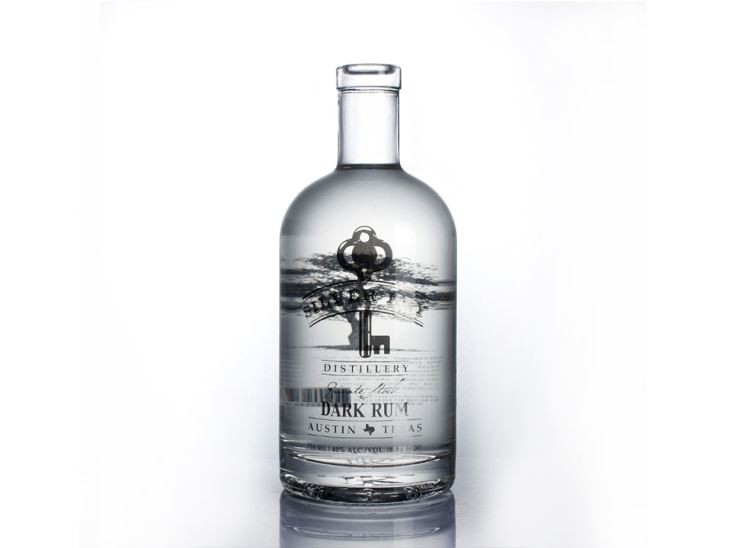
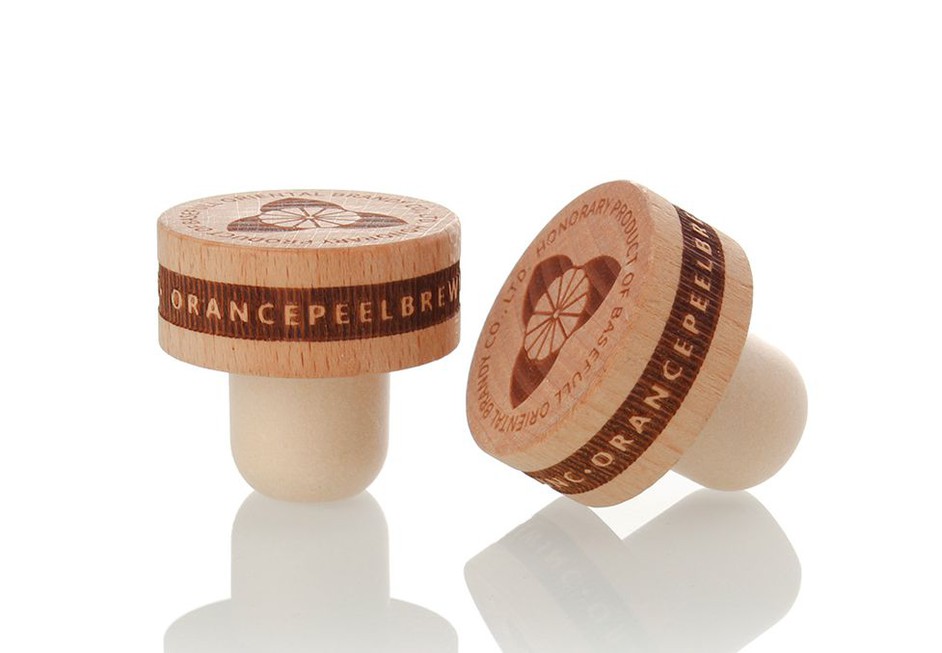
Cork Closure: Traditional cork stoppers are commonly used for sealing high-quality and premium spirits, such as fine wines, aged whiskies, and premium brandies. The cork is inserted into the neck of the bottle and provides an airtight seal, allowing the liquor to age gracefully and develop its flavors over time.
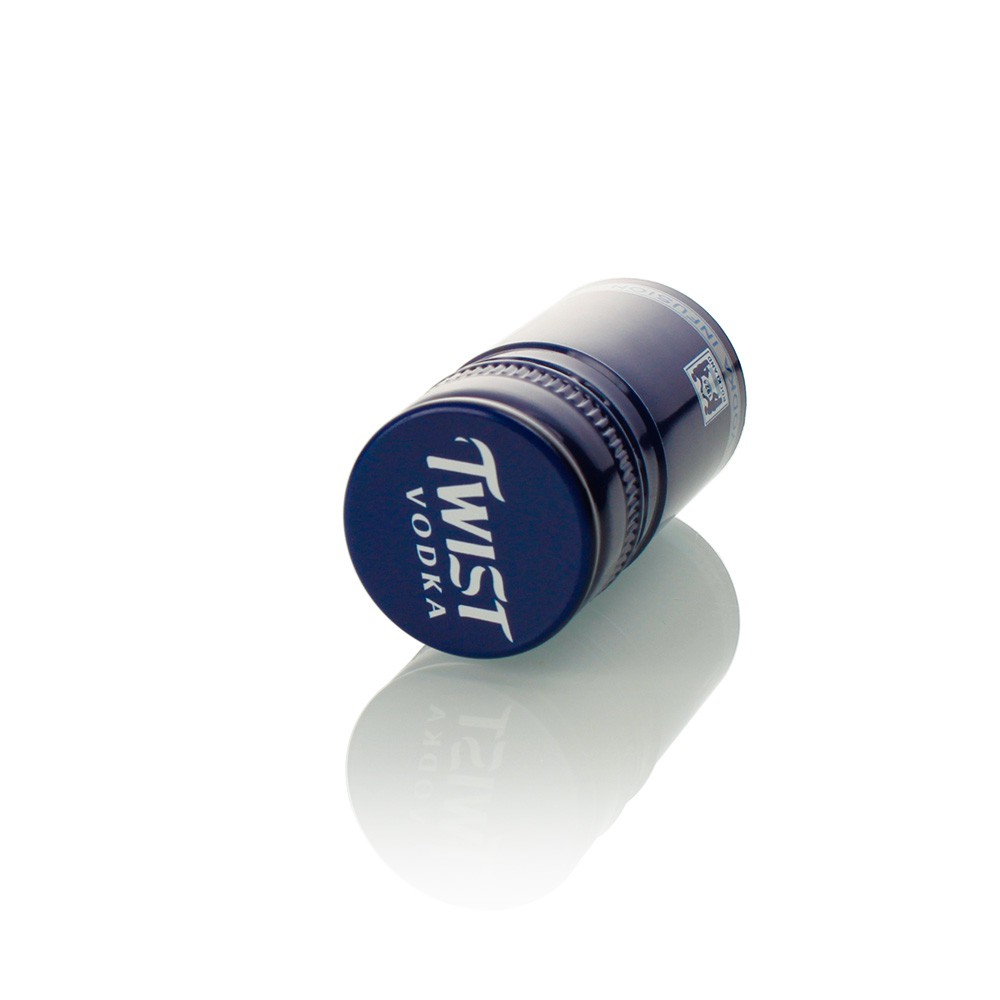
Screw Cap: Screw caps are widely used for sealing various types of liquor bottles, including vodka, gin, rum, and some lower-priced wines. They are convenient, easy to open and reseal, and offer a good barrier against air and leakage.
Synthetic Cork: Synthetic corks are designed to mimic natural cork and are often used for wines and spirits that are meant to be consumed relatively young. They provide a similar seal to traditional corks but are less susceptible to cork taint.
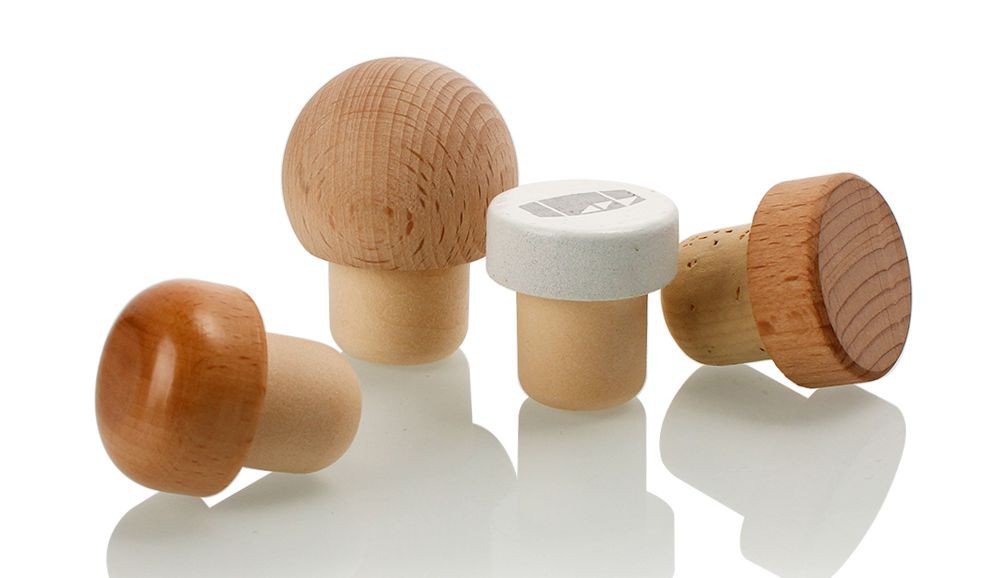
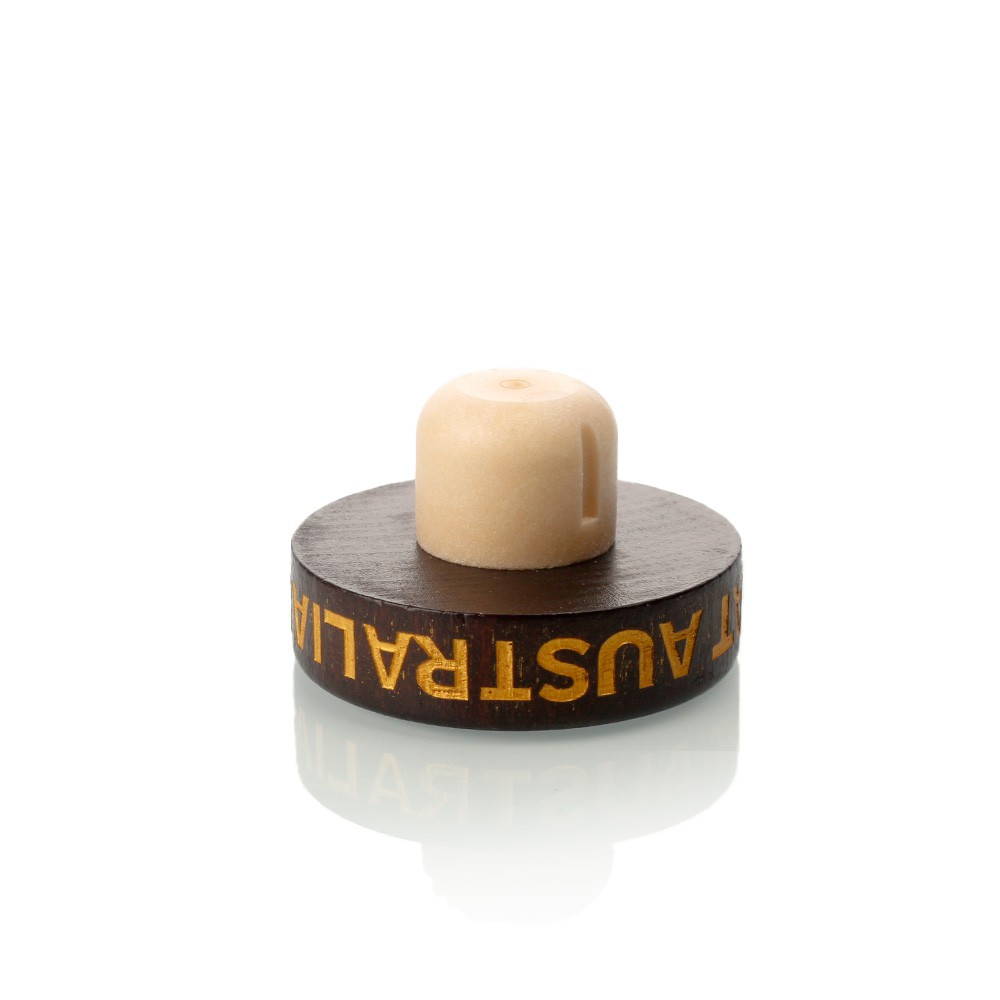
T-Cork or Bar Top Closure: T-corks or bar top closures are often used for liqueurs and spirits in bars and restaurants. They are simple closures with a plastic or metal stopper that can be easily removed and reinserted without a corkscrew.
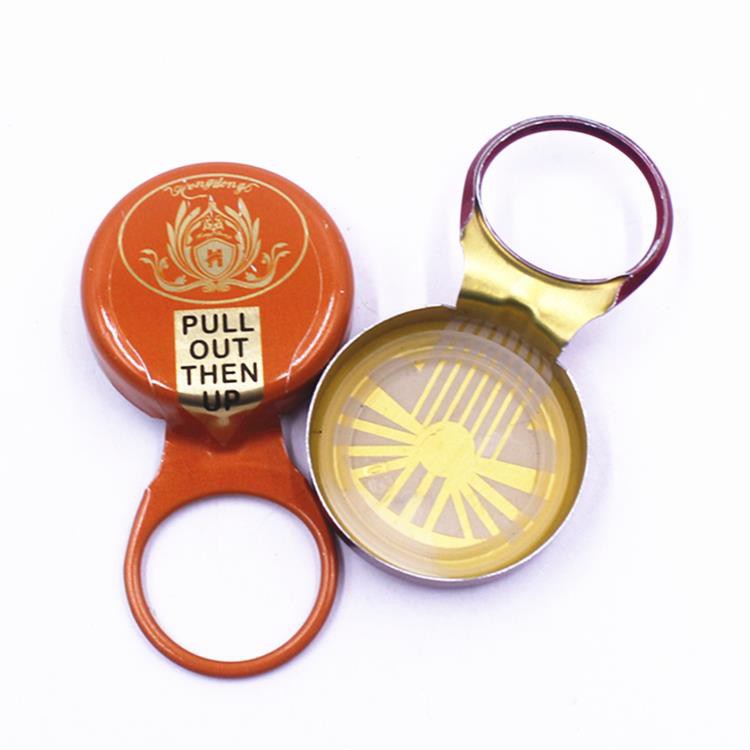
Crown Cap: Crown caps, similar to those used for beer bottles, are occasionally used for certain types of spirits, particularly in craft distilleries. They provide an airtight seal and are tamper-evident.
Wax Seal: Some premium and limited-edition liquors are sealed with a wax top. The bottle's neck and cap are covered with a layer of wax, adding a distinctive look and providing an extra layer of tamper resistance.
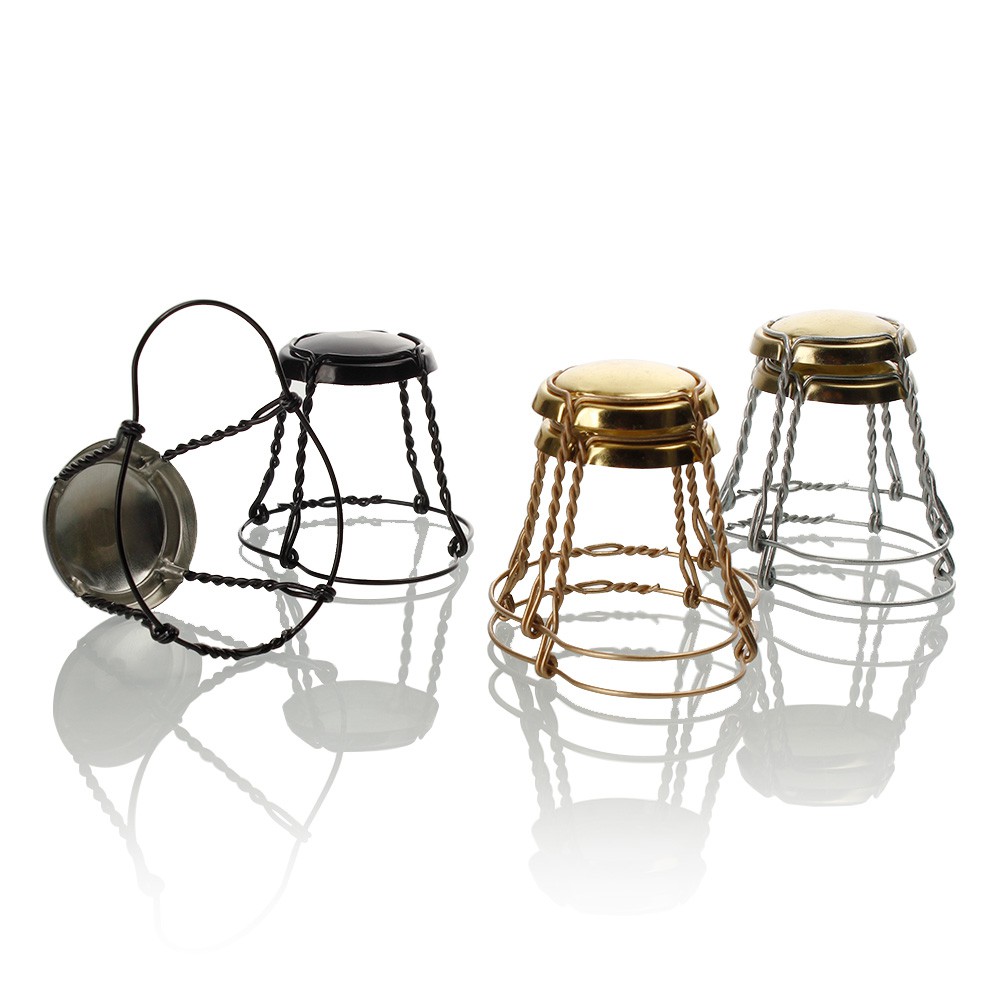
Cork and Wire Cage (Muselet): Champagne and sparkling wine bottles are sealed with a cork and secured with a wire cage called a muselet. The muselet keeps the cork in place under the pressure of the carbonation.
It's worth noting that regulations and traditions can vary from country to country and even between different types of liquors. For example, Scotch whisky often uses a cork closure, while American bourbons frequently use screw caps. The choice of closure also depends on the brand's marketing strategy, target market, and desired product image.


